
Simulating the spread of COVID-19 with BioDynaMo
Based on CERN’s experience in large-scale computing, BioDynaMo, an open-source computer simulation software, was made available in the European Open Science Cloud to support the fight against the COVID-19 pandemic.
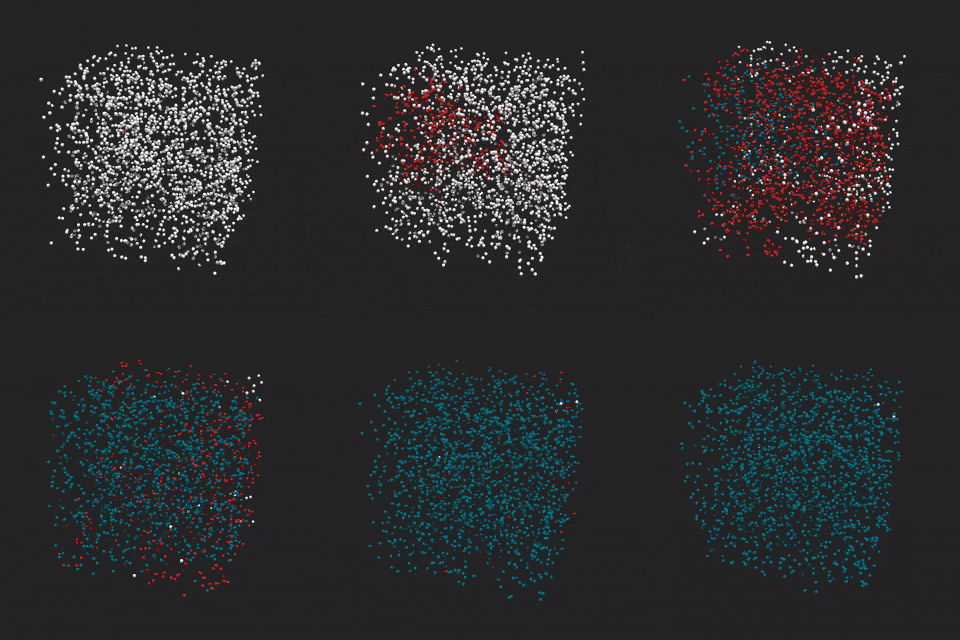
(in white: healthy; in red: infected; in blue: recovered)
In the wake of the COVID-19 pandemic, understanding how the virus spreads was crucial for governments when deciding on mobility restrictions, implementation of lockdown, and protective materials usage. Capable of simulating a large number of agents, platforms such as BioDynaMo made a difference by sharpening our knowledge of crowd behaviour.
Originally designed to simulate the behaviour of billions of cells under specified environmental conditions, the BioDynaMo engine showed interesting potential for being adapted to run simulations of large human populations for epidemiologists to model different epidemic scenarios. Within the scope of the CERN against COVID-19 task force, this open-source software could be modified to include elements of the dynamic spread of the SARS-CoV-2 virus within a group of individuals.
First started as a CERN openlab project, BioDynaMo received seed funding from the CERN Medical Applications budget of 233 000 CHF over 5 years in order to improve its scalability and performances. At the peak of the first wave of the pandemic, the Medical Applications (MA) section in CERN’s Knowledge Transfer group further supported BioDynaMo. Its network enabled a collaboration with the University of Geneva’s Institute of Global Health for the implementation of a COVID-19 localised spreading model. Also, the MA section assisted the team in getting a grant from the European Open Science Cloud (EOSC) that developed the model once more.
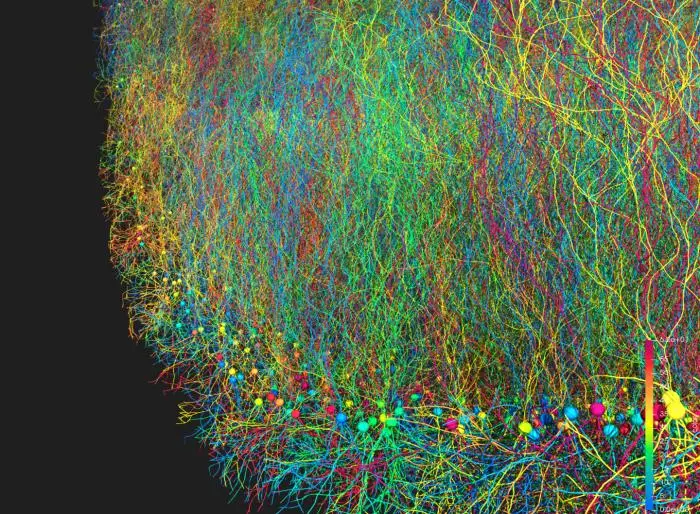
The project succeeded in providing a valuable tool that supported the scientific community in their studies, and ultimately offered actionable insights to policymakers. Also, its clear visual representation helped underline the benefit of sensible social behaviour to prevent the spread of the disease.
Beyond the coronavirus pandemic, the know-how built during this project remains valuable for helping to design tools to contribute towards tackling similar viruses and future outbreaks.
Finally, the project continues to contribute to the EOSC EU Node by providing a service, openly accessible to the scientific community, to predict viral behaviour and study how quarantines, confinements and social distancing influenced the spread of COVID-19.