
Tag: Particle Tracking & Radiation Monitoring
-
Medipix
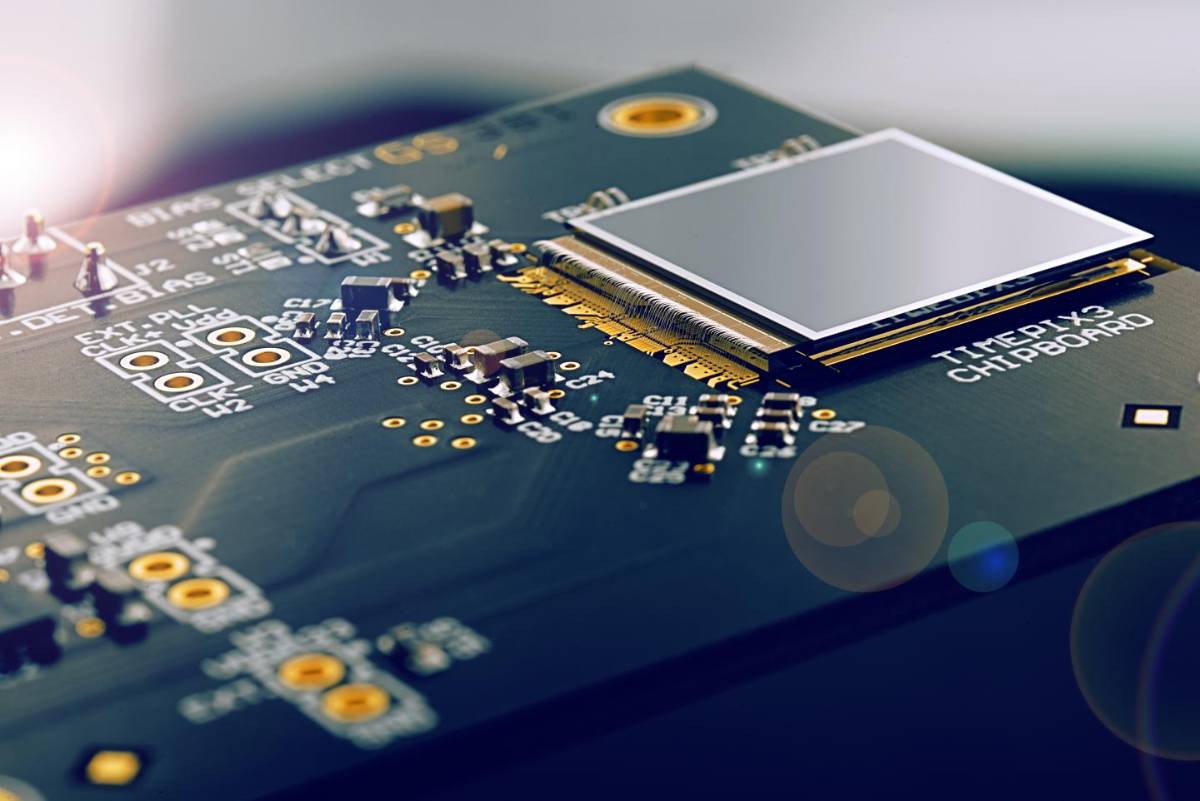
Medipix | Medipix3 is a CMOS pixel detector readout chip designed to be connected to a segmented semiconductor sensor. It acts as a camera taking images based on the number of particles which hit the pixels when the electronic shutter is open. However, Medipix3 also permits colour imaging and dead time free operation. A novel
-
Timepix
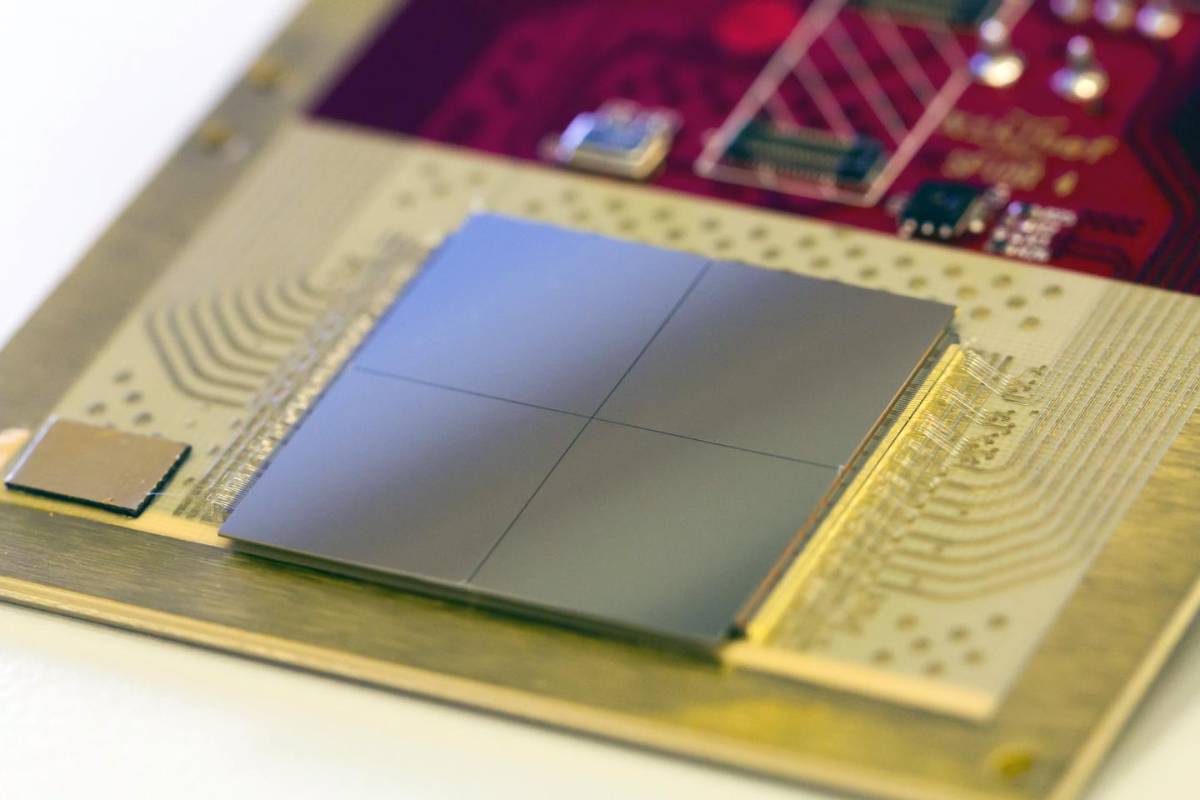
Timepix | The original Timepix ASIC is a silicon chip developed at CERN by the Medipix2 Collaboration. The chip is divided into a 256×256 grid of tiny pixels, each one containing thousands of transistors that allow it to detect and analyse radiation. Its successor, Timepix2, can be programmed to operate in one of several modes
-
Precise Timing ASICs for Medical Applications
Precise Timing ASICs for Medical Applications | Need: Fast-timing detectors are crucial in fields like PET and mass spectrometry, significantly improving precision and accuracy and leading to enhanced image quality and more precise analytical results invaluable in research and diagnostics. Goal: The FastIC and FastIC+ projects have focused on designing and characterising the ASICs. The
-
GEMPix4
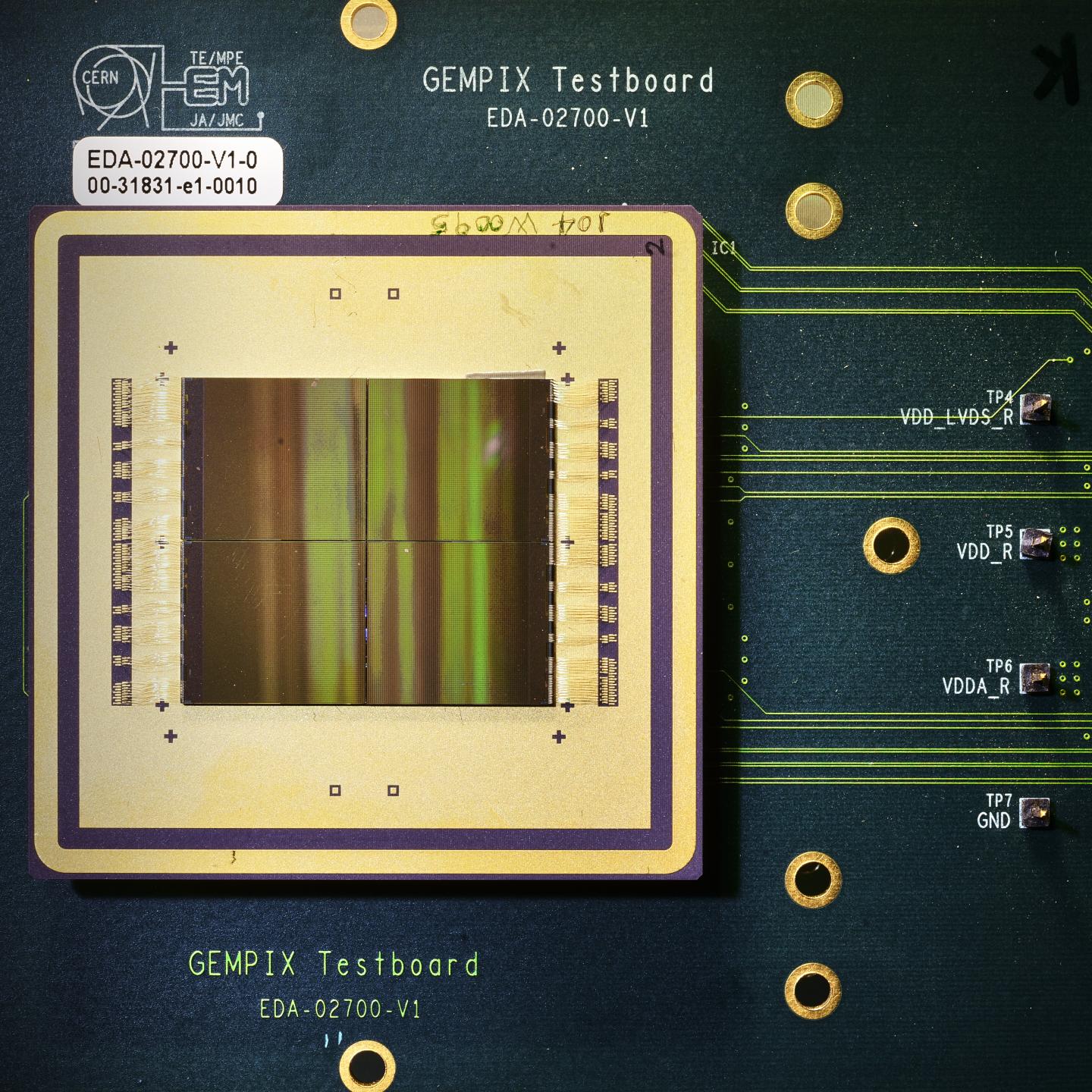
GEMPix4 | Develop an advanced detector for imaging and dosimetry in hadron and radio therapy by coupling GEM and Timepix4 technologies. The goal of the project is to set new standards in QA, beam characterization and even microdosimetry in hadron therapy; the detector will also work with photon beams used in conventional radiation therapy, and
-
FastIC Read-out chips for High-energy Physics and Medical Technologies
FastIC Read-out chips for High-energy Physics and Medical Technologies | The NINO ASIC (implemented in 250nm CMOS) is a chip for the read-out of fast radiation detectors (SiPMs, MCPs); it is widely used in high-energy physics and in other fields of science. This project aims to develop a design upgrade in a deeper sub-micron technology
-
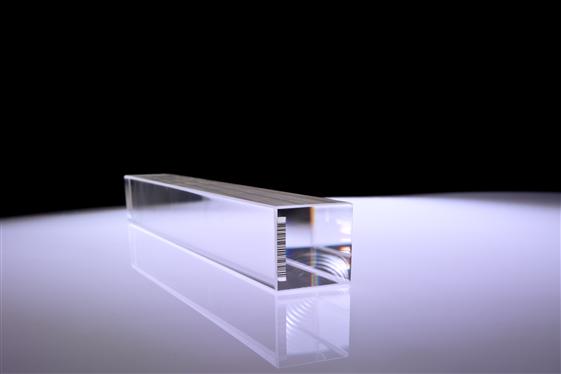
Development of TOF-PET modules toward 10ps time resolution
Development of TOF-PET modules toward 10ps time resolution | The project aims to develop detector modules with simultaneous high performance in terms of measuring the Depth of Interaction (DOI) of incoming gamma rays and the coincidence time resolution (CTR). This shall be achieved by further developing the concept of heterostructure scintillators. The researchers suggest combining
-
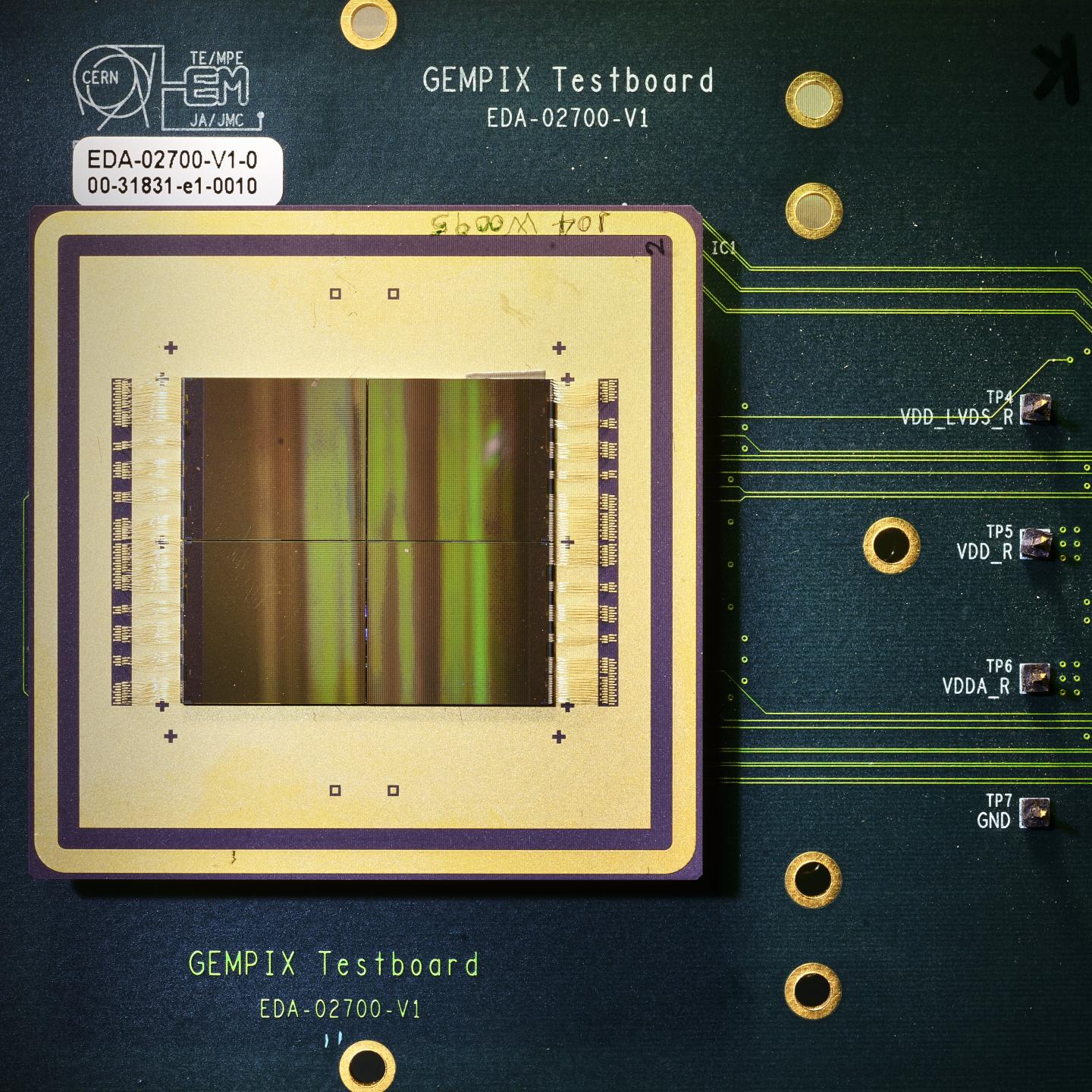
Development of large-area GEMPix detector for imaging and microdosimetry
Development of large-area GEMPix detector for imaging and microdosimetry | The GEMPix is a novel detector developed in the course of the EU-funded Marie Curie project ARDENT (February 2012 – January 2016) coordinated by CERN. The detector was designed by coupling two CERN technologies, a small triple Gas Electron Multiplier (GEM) detector (3×3×1.2 cm3 active volume) to
-
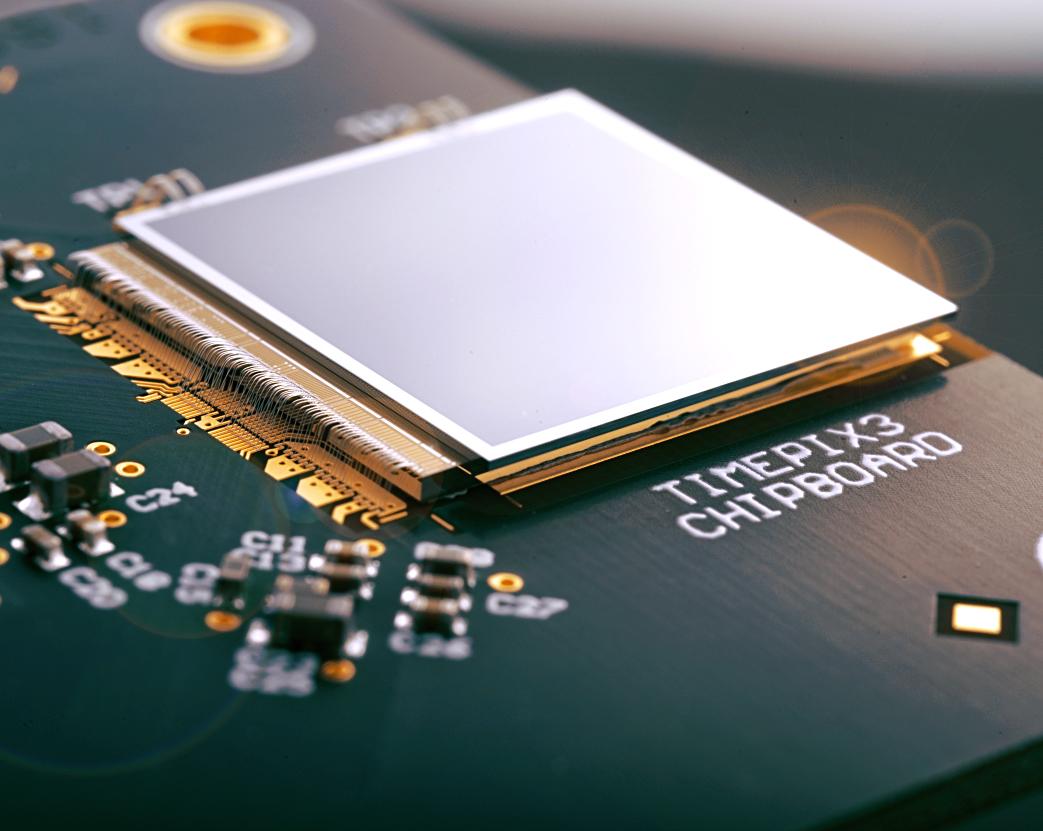
Development of a non-destructive beam monitor based on Timepix3 for particle therapy (BGI)
Development of a non-destructive beam monitor based on Timepix3 for particle therapy (BGI) | Beam instrumentation at a particle therapy facility is vital to ensure optimal dose delivery to the patient. An ideal beam monitor would operate continuously during the beam delivery, being completely transparent to the beam and sample beam parameters with sufficient frequency
-
Characterisation of the Timepix4 for measurements in hospital theatres.
Characterisation of the Timepix4 for measurements in hospital theatres. | Builds on the work jointly done by CERN and at the Lausanne University Hospital (CHUV) in a previous MA-funded project, which used the photon counting Timepix3 detector as a tool for radiation field characterisation. The goal of this new project is to use Timepix4 to
-
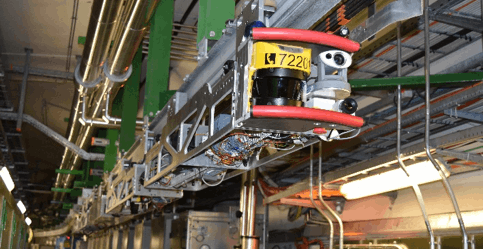
Train Inspection Monorail (TIM)
Train Inspection Monorail (TIM) | The Train Inspection Monorail (TIM) is a mechatronic product initially designed for CERN’s specific needs, with the goal to provide unmanned operations in the Large Hadron Collider (LHC) tunnel when there is no active beam, during beam stops and machine shut-downs. The main functionalities that TIM provides, are surveying, monitoring,
-
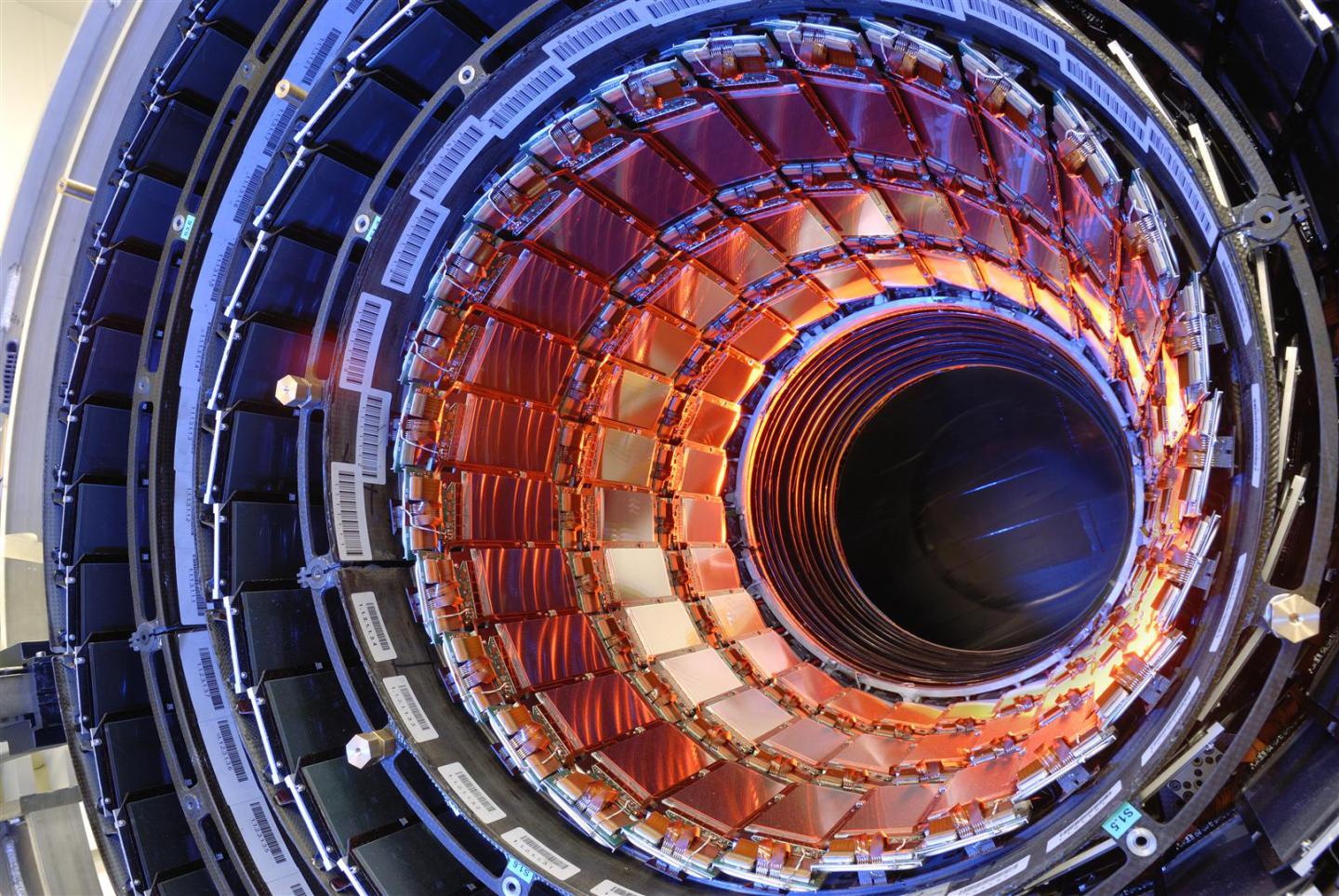
Particle Tracking and Calorimetry
Particle Tracking and Calorimetry | CERN’s unique know-how derived from years of designing, testing, building and operating complex detector systems. CERN’s Know-How Facts & Figures Key Competencies Compact integration of technology Experiments running around and outside the LHC are extremely complex and large structures. The main challenge is to maximize the volume dedicated to the
-
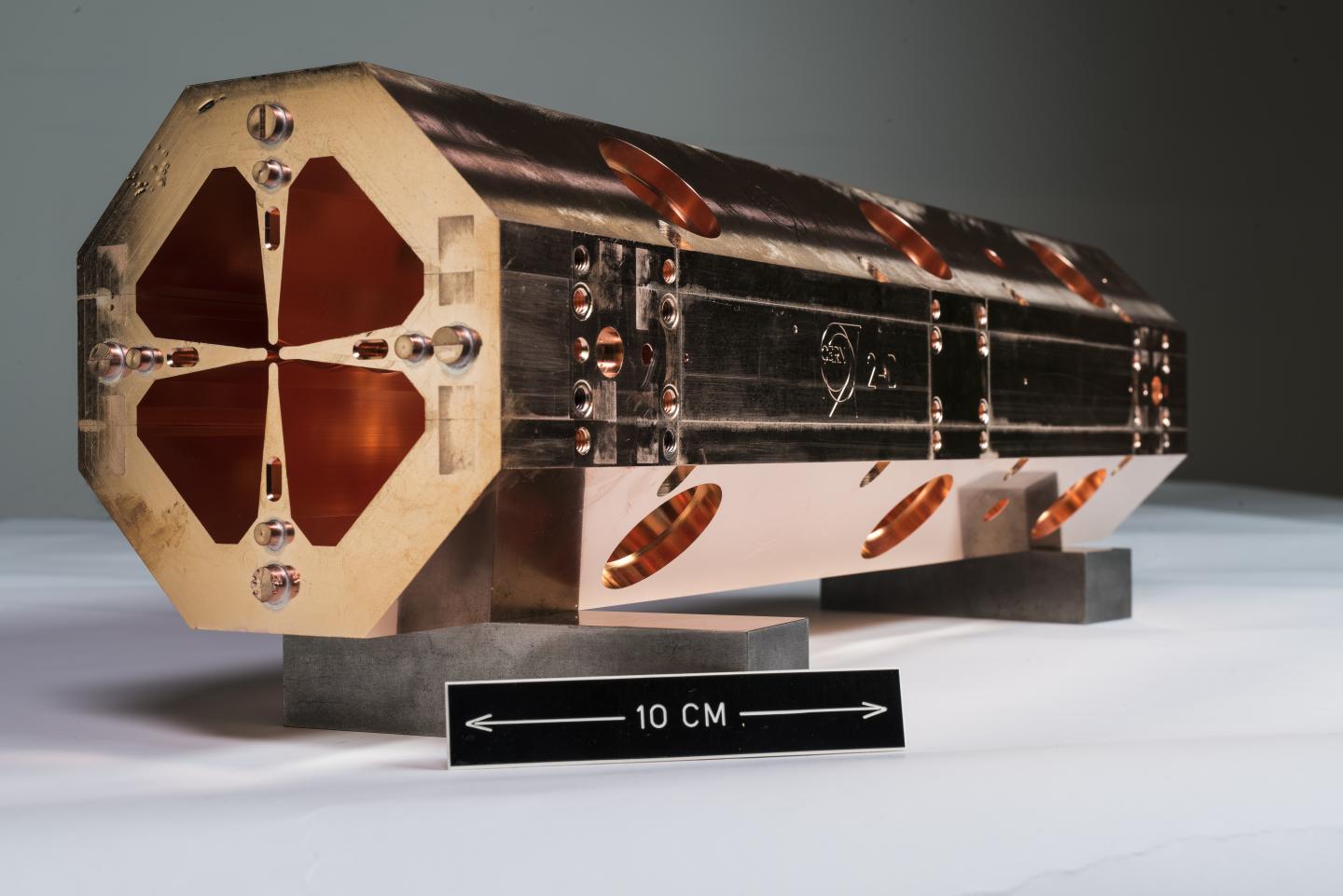
Radiotherapy
Radiotherapy | CERN’s Know-How Facts & Figures Contact Person Benjamin Frisch Knowledge Transfer Officer benjamin.frisch@cern.ch Related Articles Case Studies Projects News
-
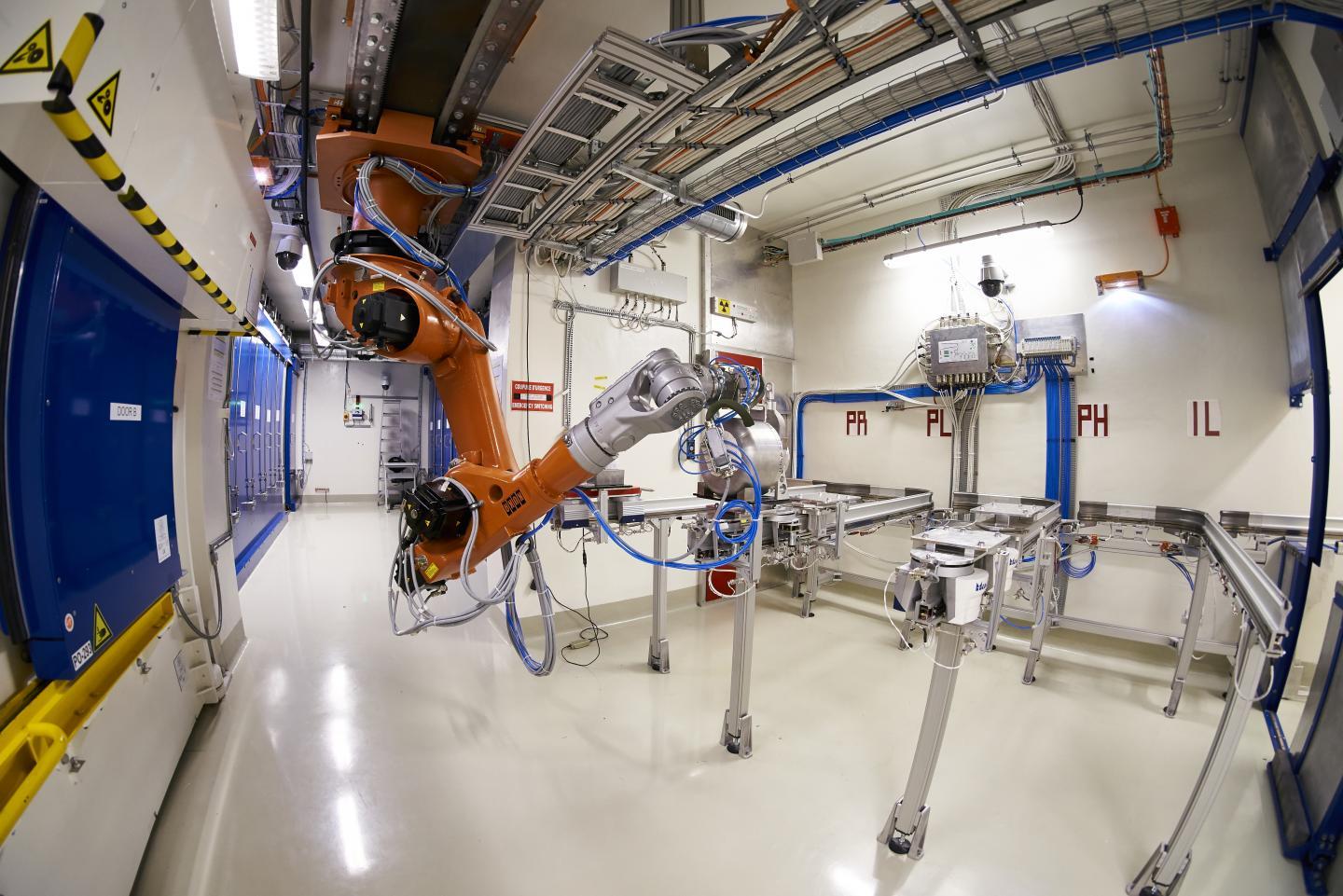
Nuclear Medicine
Nuclear Medicine | CERN’s Know-How Facts & Figures Key Expertise Detecting scintillator-based detectors Scintillators are applied in high-energy physics to measure the energy of particles that are produced in particle physics experiments. Therefore, CERN developed highly specialized expertise and infrastructure for research and development of inorganic scintillation technologies for novel ionizing radiation detectors. System integration
-
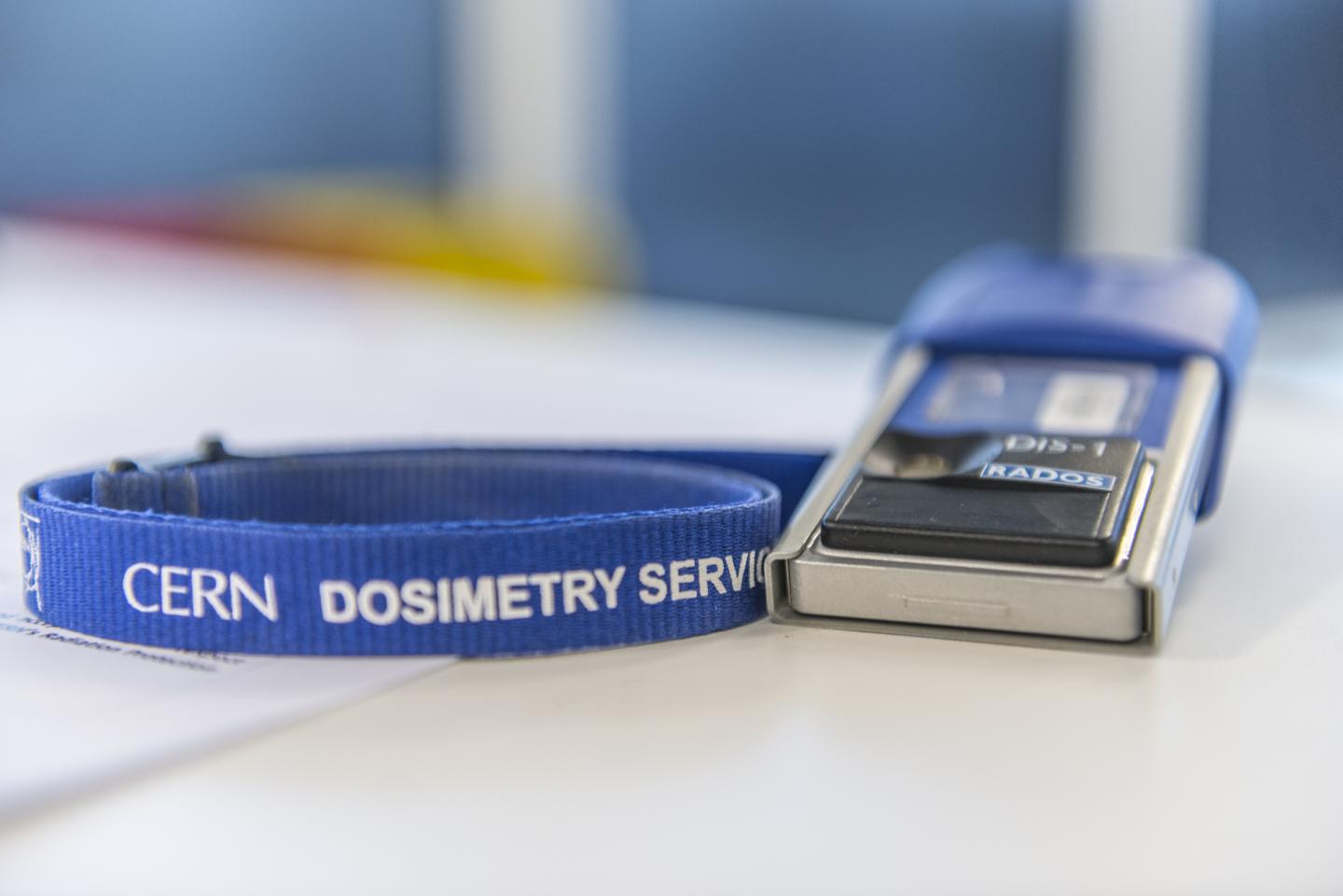
Dosimetry
Dosimetry | CERN’s Know-How Facts & Figures Key Expertise Internal and external dosimetry Professionals working with unsealed radioactive sources or in the presence of contaminated/activated materials are at risk of incorporating radionuclides. New specific procedures are developed at CERN to reinforce the existing internal monitoring program. This will facilitate dose assessment and calculations. CERN Calibration
-

From CERN to Jupiter: Juice embarks on its historic journey
From CERN to Jupiter: Juice embarks on its historic journey | Before embarking on its journey, critical components of ESA’s interplanetary mission were tested in the only facility on Earth capable of replicating Jupiter’s harsh radiative environment It is not only in the tunnels of CERN that we learn about the origin and composition of
-
CERN tech in space: the first CERN-driven satellite has been successfully launched
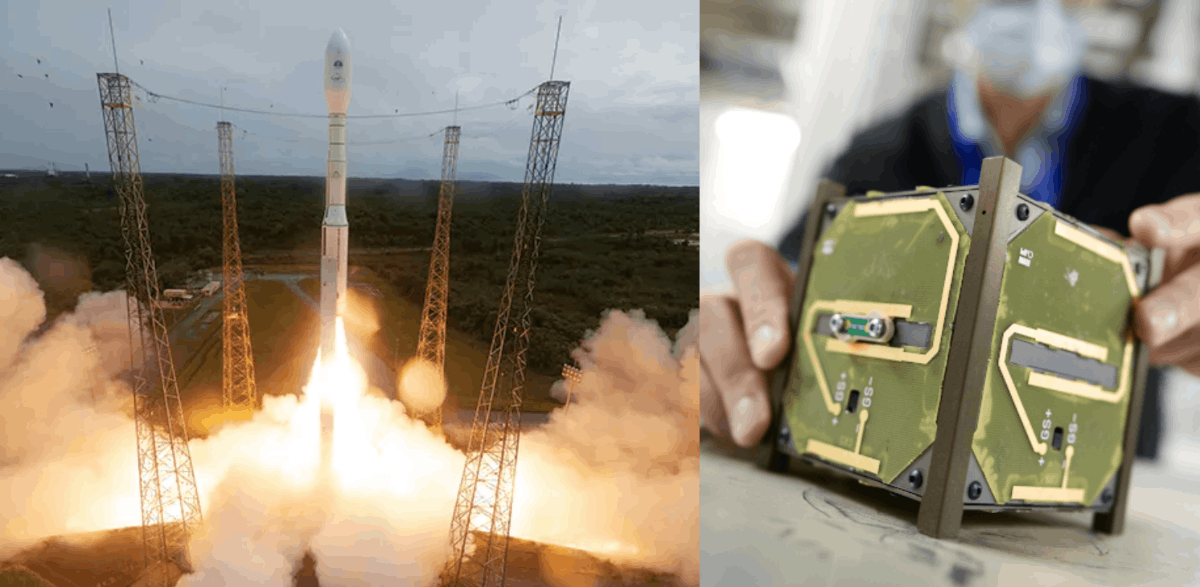
CERN tech in space: the first CERN-driven satellite has been successfully launched | With the launch of the CELESTA satellite for radiation monitoring in space, CERN shows its expertise in the field of radiation effects on electronics CELESTA, the first CERN-driven satellite, successfully entered orbit during the maiden flight of Europe’s Vega-C launch vehicle. Launched
-
CERN-tested optical fibres now on the International Space Station
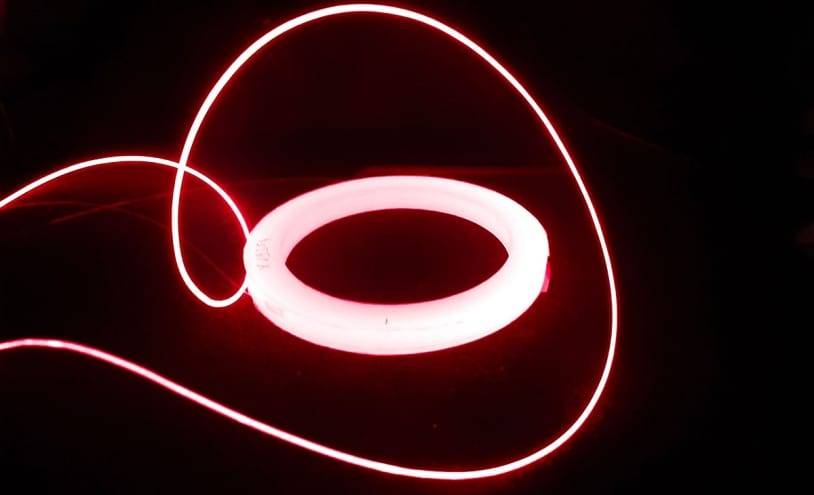
CERN-tested optical fibres now on the International Space Station | Astronaut Thomas Pesquet has activated Lumina, an optical fibre-based dosimetry experiment on board the International Space Station This article was originally published on home.cern. In a spacecraft, in order to protect both crew and electronics from radiation, it is mandatory to invest in effective radiation monitoring