
Tag: Detectors
-
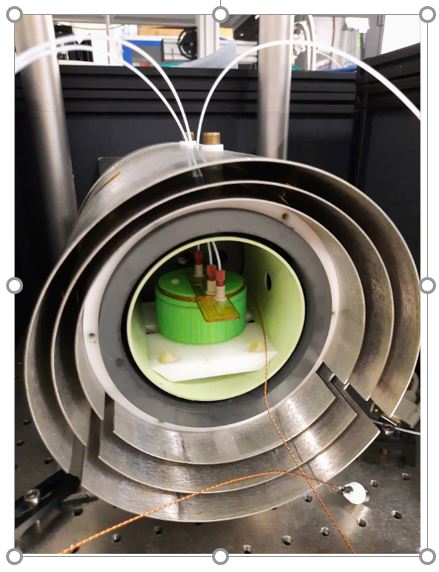
ZULF-RD-NMR: Zero-to-ultralow-field radiation-detected Nuclear Magnetic Resonance
ZULF-RD-NMR: Zero-to-ultralow-field radiation-detected Nuclear Magnetic Resonance | The goal of the project is to combine the advantages of very sensitive radiationdetected NMR (RD-NMR) with the advantages of the very portable zero-to-ultralow-field-NMR (ZULF-NMR), while cancelling some of the respective disadvantages. It will in particular allow abandoning the need for magnetic detection of signals. This should result
-
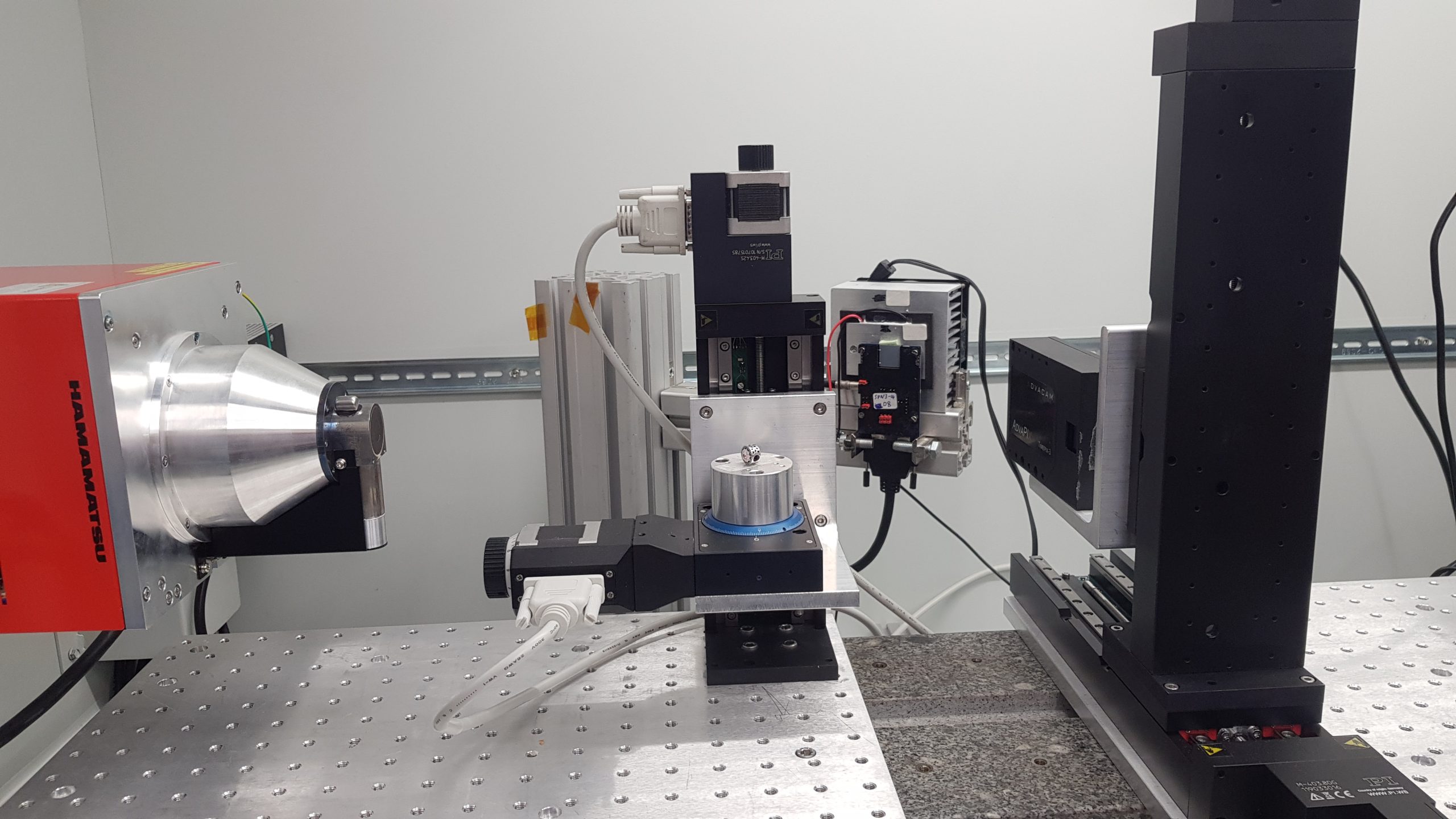
Potential and limitations of SPectroscopic X-RAY Imaging in Radiology and Medical Computed Tomography (SPECXRAY-IRMCT)
Potential and limitations of SPectroscopic X-RAY Imaging in Radiology and Medical Computed Tomography (SPECXRAY-IRMCT) | The main goal of the project is to use the extensive know-how on spectroscopic imaging on the ASIC point of view to better understand the behaviour of high –Z sensors. A PhD student will be hired to perform this study
-
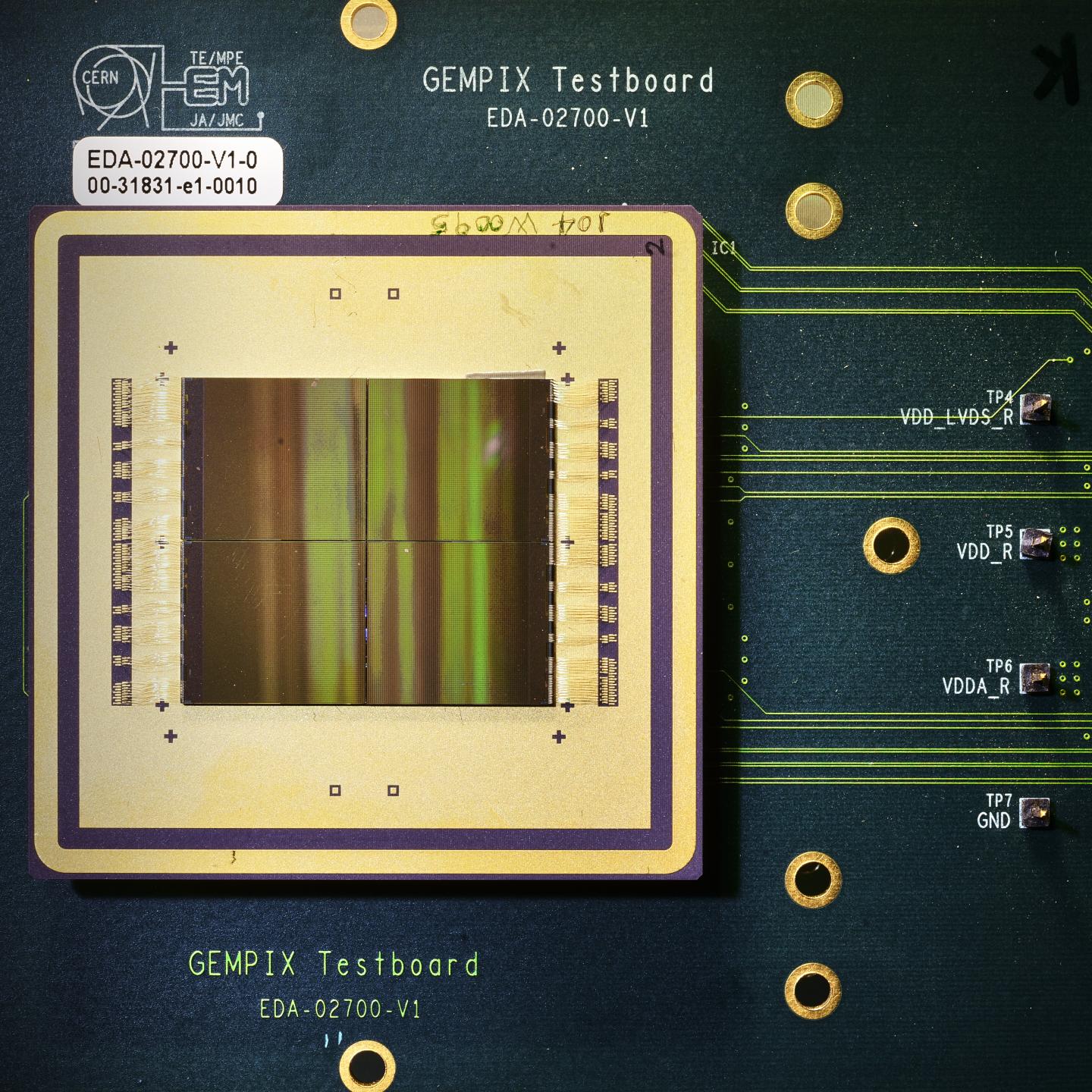
GEMPix4
GEMPix4 | Develop an advanced detector for imaging and dosimetry in hadron and radio therapy by coupling GEM and Timepix4 technologies. The goal of the project is to set new standards in QA, beam characterization and even microdosimetry in hadron therapy; the detector will also work with photon beams used in conventional radiation therapy, and
-
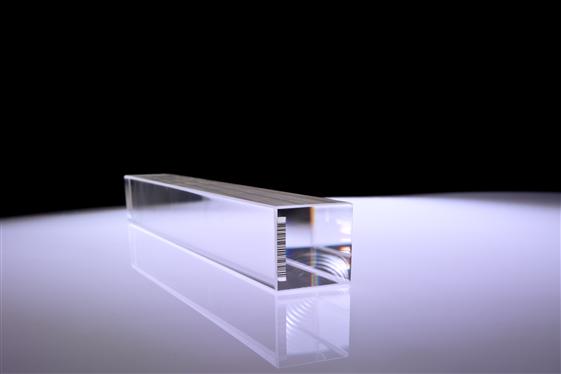
Development of TOF-PET modules toward 10ps time resolution
Development of TOF-PET modules toward 10ps time resolution | The project aims to develop detector modules with simultaneous high performance in terms of measuring the Depth of Interaction (DOI) of incoming gamma rays and the coincidence time resolution (CTR). This shall be achieved by further developing the concept of heterostructure scintillators. The researchers suggest combining
-
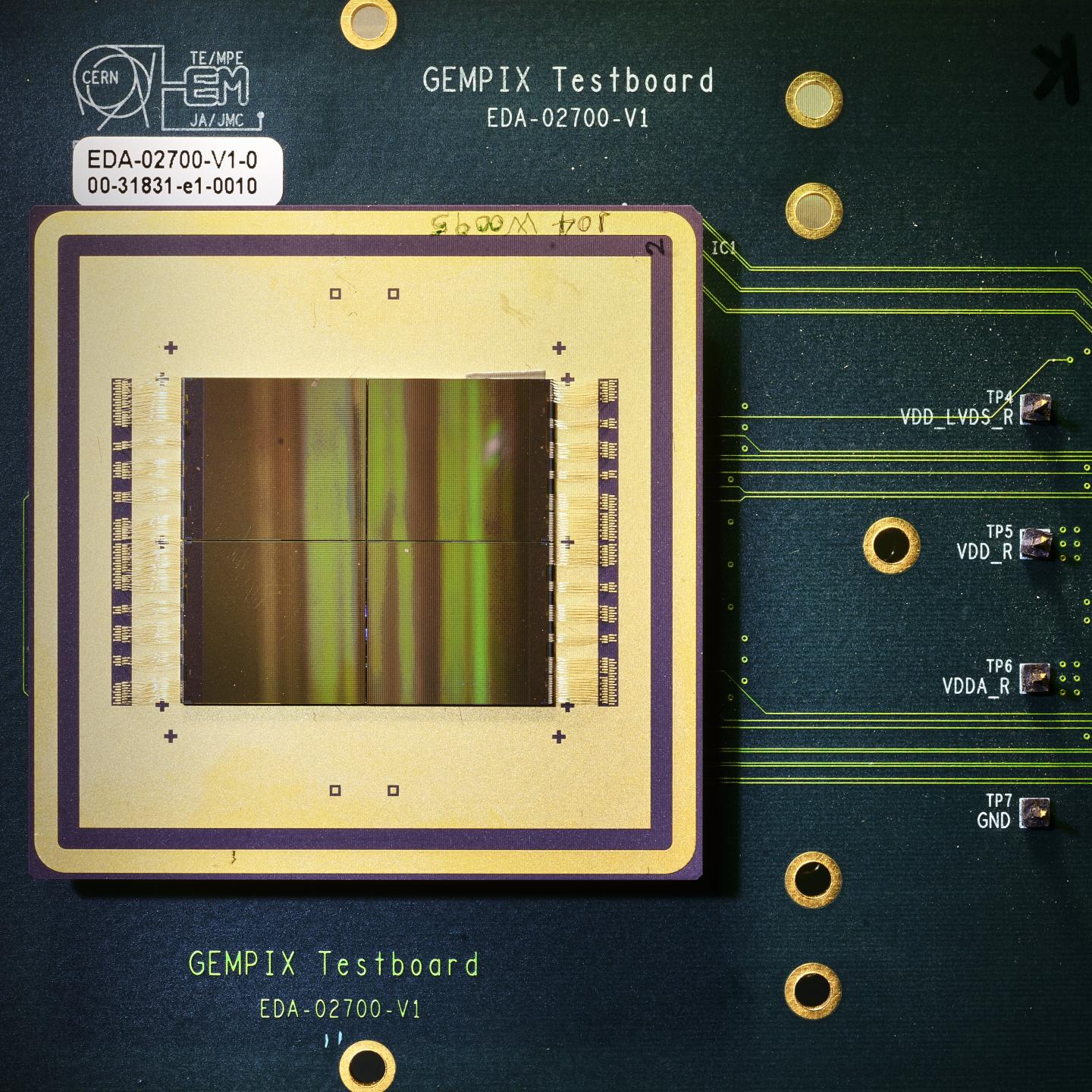
Development of large-area GEMPix detector for imaging and microdosimetry
Development of large-area GEMPix detector for imaging and microdosimetry | The GEMPix is a novel detector developed in the course of the EU-funded Marie Curie project ARDENT (February 2012 – January 2016) coordinated by CERN. The detector was designed by coupling two CERN technologies, a small triple Gas Electron Multiplier (GEM) detector (3×3×1.2 cm3 active volume) to
-
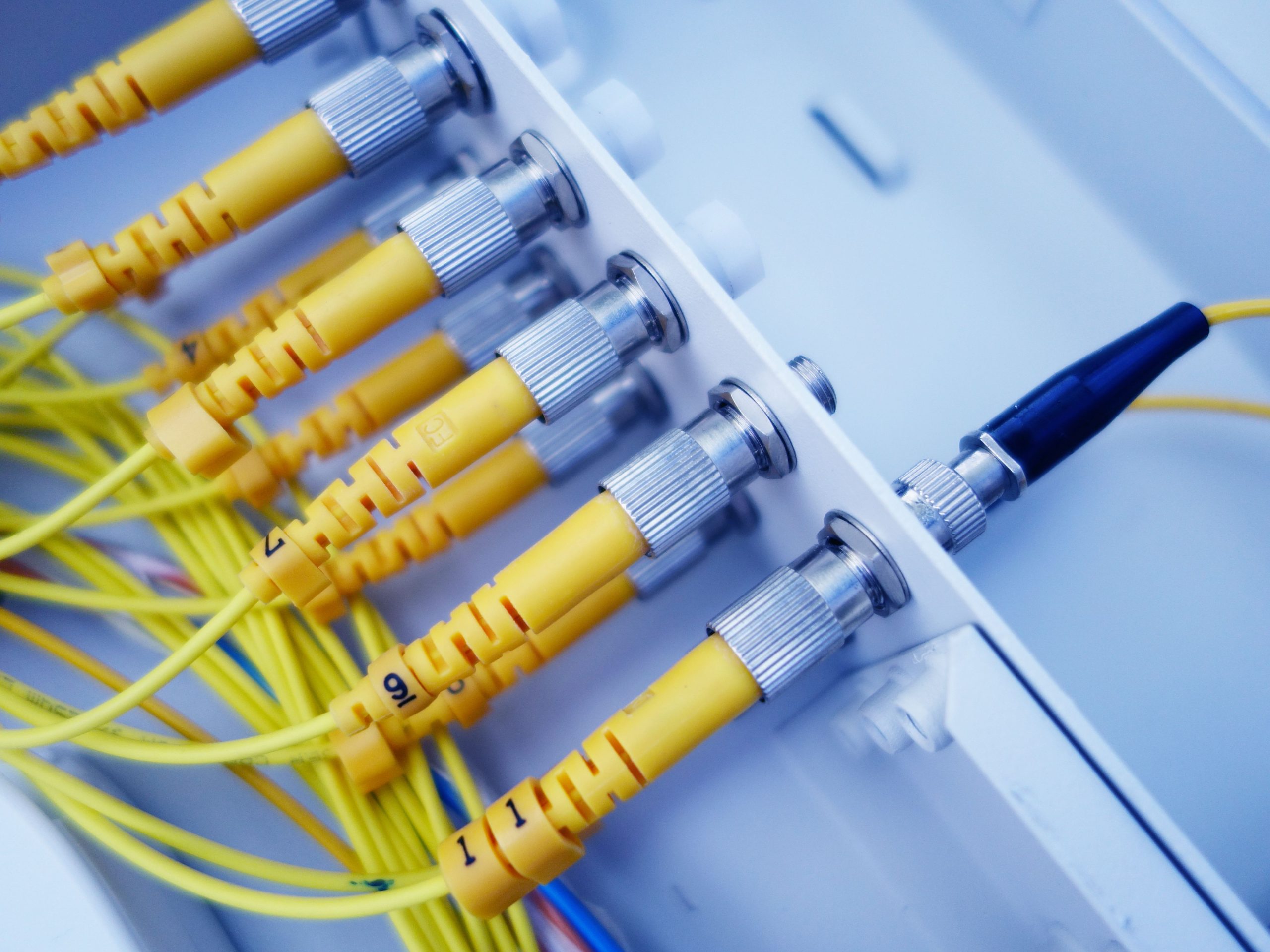
Development of industry-ready kilometre range distributed fibre optic thermo-hygrometer sensors
Development of industry-ready kilometre range distributed fibre optic thermo-hygrometer sensors | The project proposes to further develop the existing fibre optic sensors at CERN into a viable and standalone product capable of monitoring relative humidity (RH) and temperature. The sensor (in its 3rd generation of development) offers significantly better performance compared to the existing solutions
-
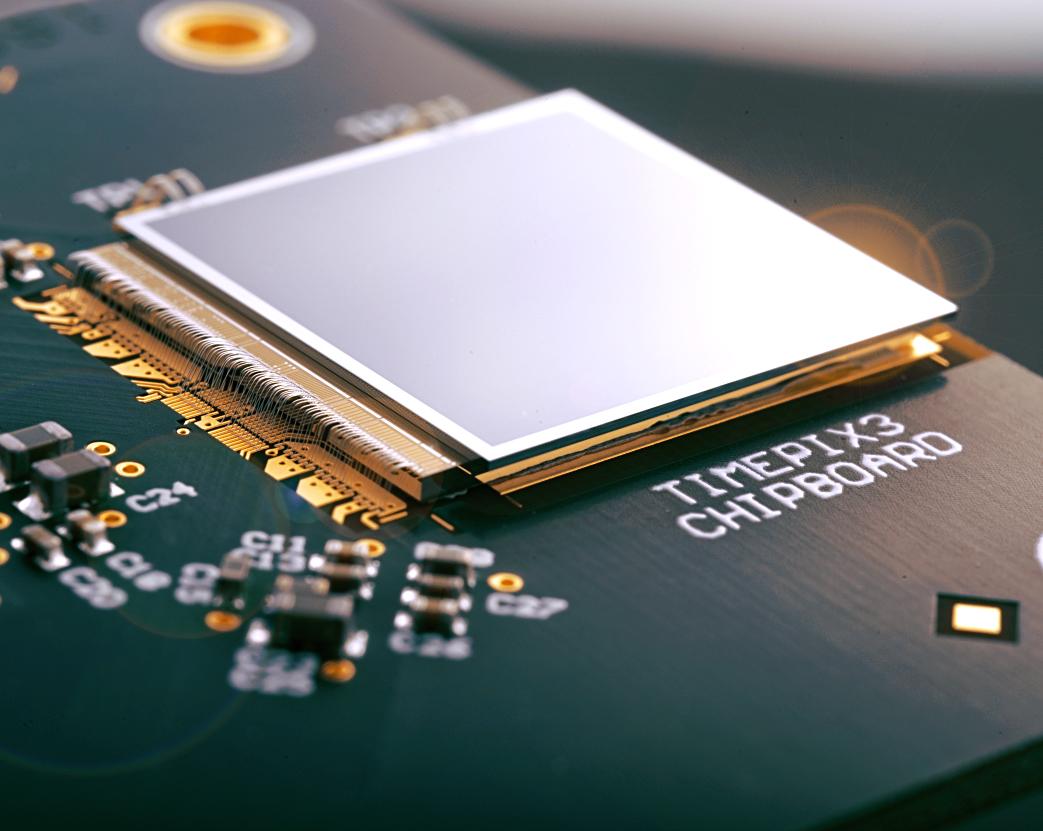
Development of a non-destructive beam monitor based on Timepix3 for particle therapy (BGI)
Development of a non-destructive beam monitor based on Timepix3 for particle therapy (BGI) | Beam instrumentation at a particle therapy facility is vital to ensure optimal dose delivery to the patient. An ideal beam monitor would operate continuously during the beam delivery, being completely transparent to the beam and sample beam parameters with sufficient frequency
-
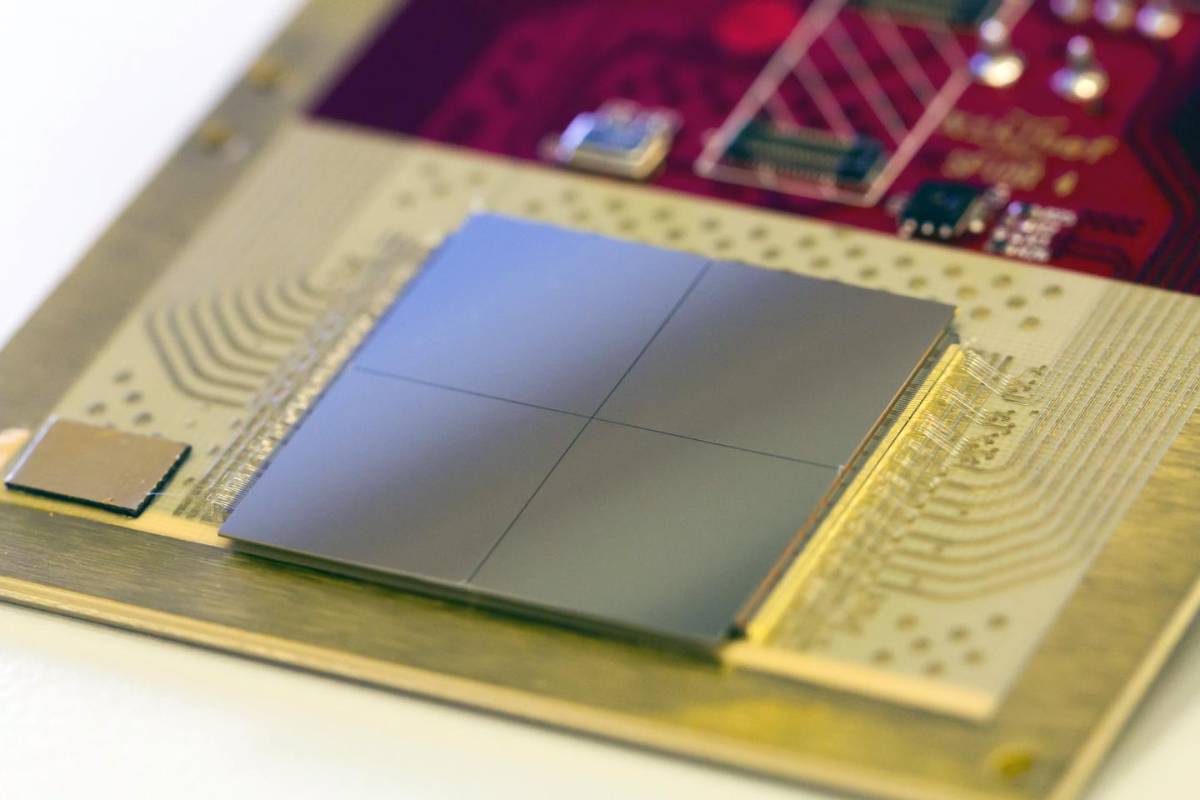
Characterisation of the Timepix4 for measurements in hospital theatres.
Characterisation of the Timepix4 for measurements in hospital theatres. | Builds on the work jointly done by CERN and at the Lausanne University Hospital (CHUV) in a previous MA-funded project, which used the photon counting Timepix3 detector as a tool for radiation field characterisation. The goal of this new project is to use Timepix4 to
-
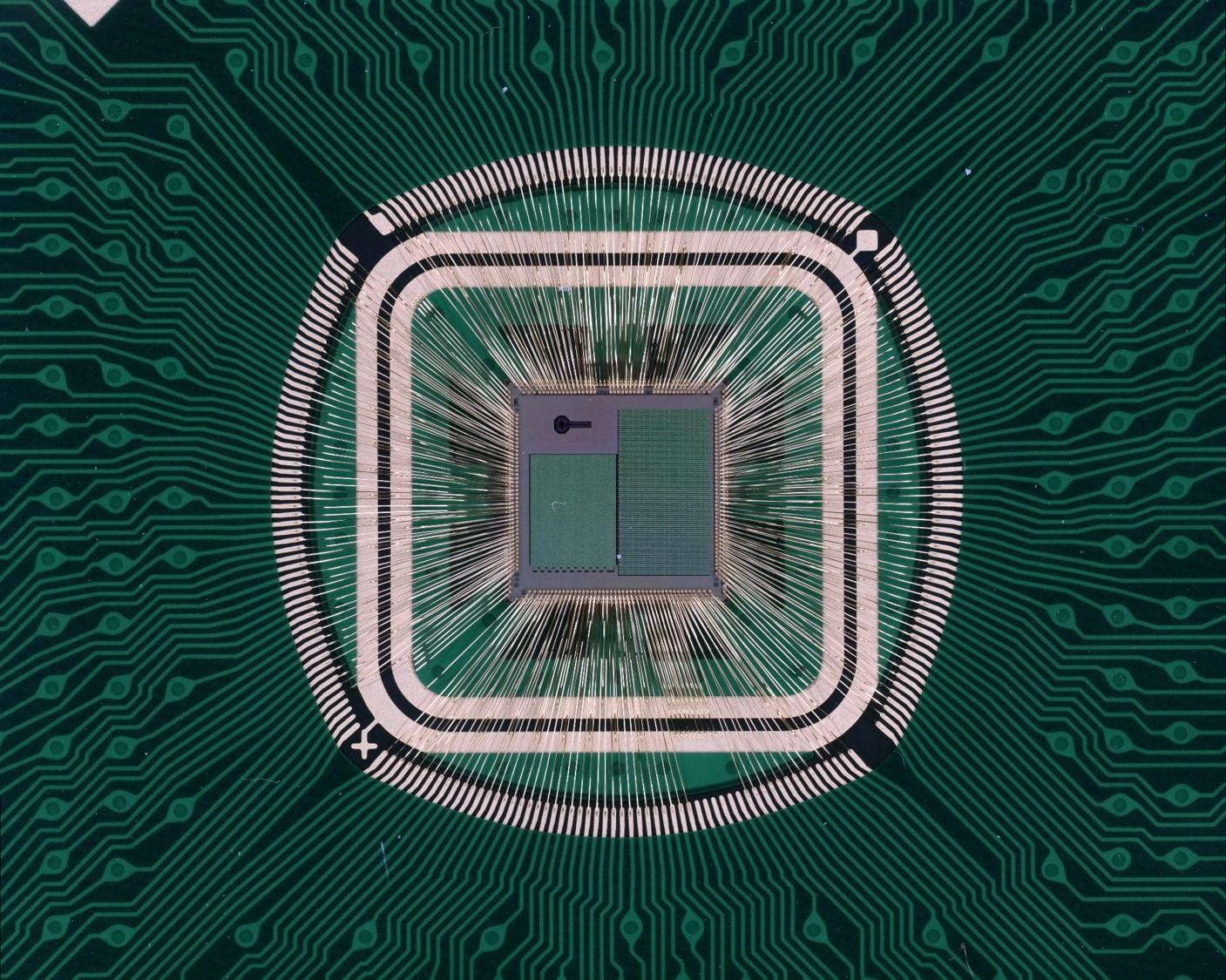
A readout ASIC for fast detectors with Time-to-To Digital conversion
A readout ASIC for fast detectors with Time-to-To Digital conversion | This project seeks to develop a multichannel readout ASIC with each channel incorporating a fast front-end and timestamping (using a Time to Digital converter or TDC) with a time bin of 20 ps. It builds on experience already gained with the FastIC, an 8
-
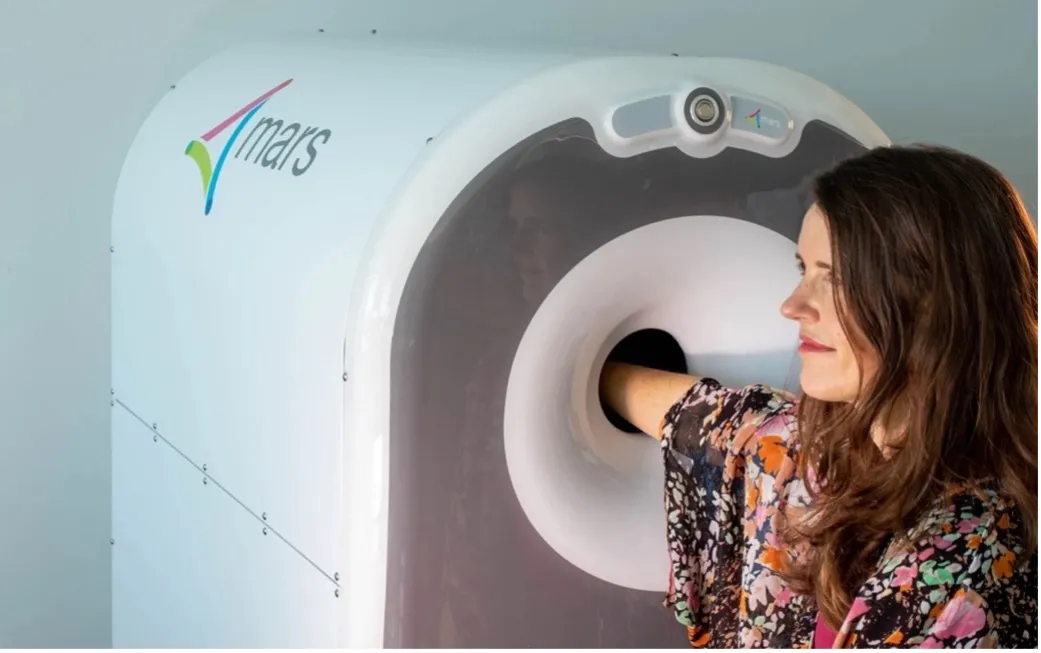
CERN’s Medipix3 technology on track to help more patients
CERN’s Medipix3 technology on track to help more patients | A portable photon-counting CT scanner developed using CERN’s Medipix3 technology receives FDA clearance, paving the way for broader clinical adoption Originally derived from a technology developed to explore the fundamental nature of the Universe, Medipix3 technology now powers a medical scanner that is on track to benefit
-

CERN Timepix chips fly to the Moon
CERN Timepix chips fly to the Moon | Six Timepix chips developed at CERN will measure the radiation environment inside the spacecraft that will orbit the Moon during NASA’s Artemis II mission At 00:35 CEST today, the Artemis II mission successfully launched, marking the first human journey to the Moon since 1972. During their ten-day
-
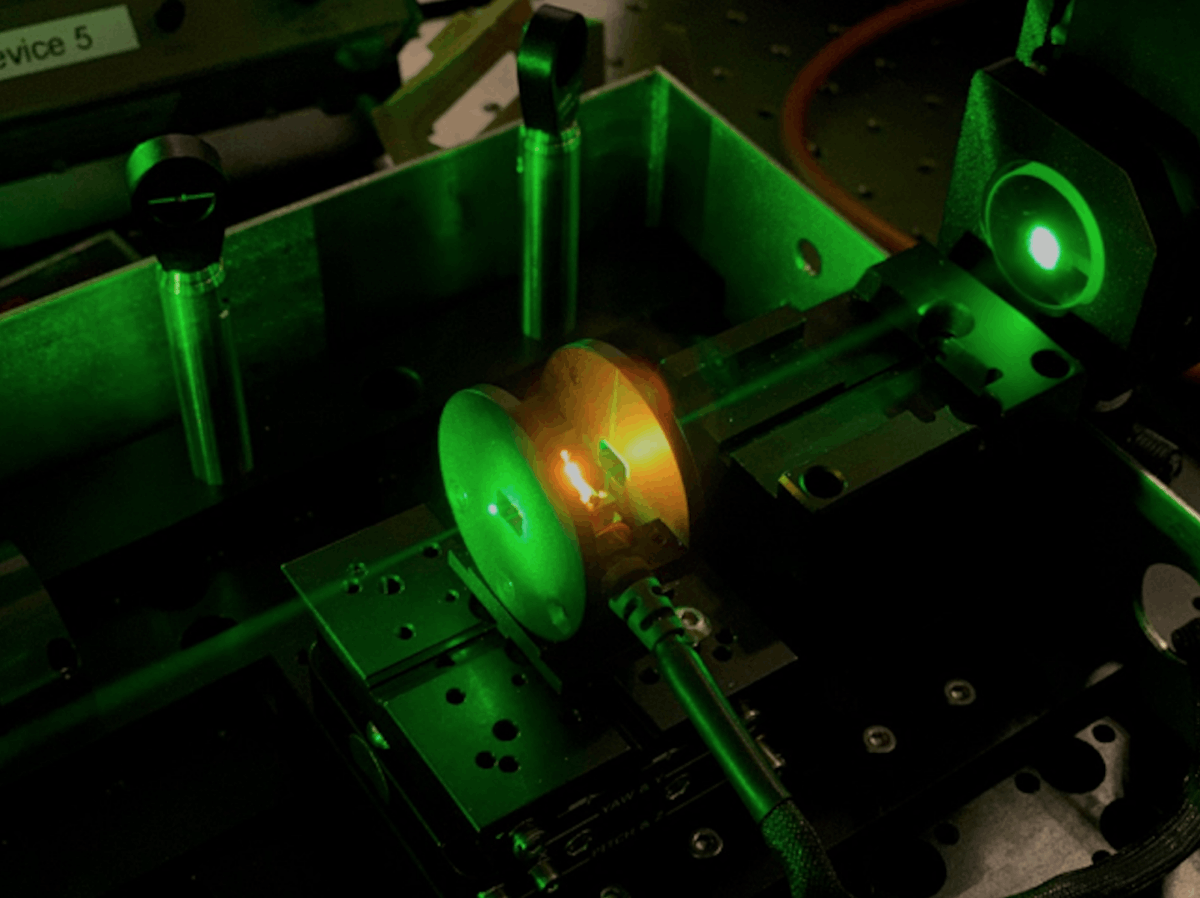
Singular Light: Integrated Single Mode Laser Converter
Singular Light: Integrated Single Mode Laser Converter | Singular Light: Integrated Single Mode Laser Converter, is an efficient, simple device that relies on Raman laser conversion for generating a single longitudinal mode (SLM) laser output. The configuration offered by Singular Light not only offers a more robust generation of SLM lasers compared to conventional techniques,
-
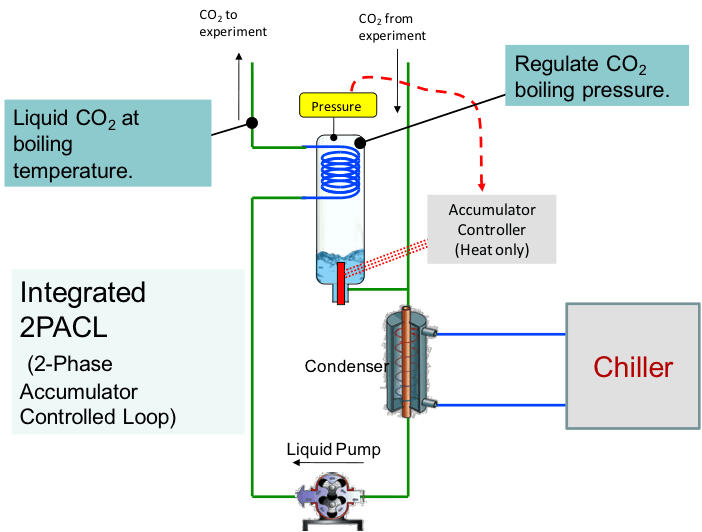
Integrated CO2 cooling system
Integrated CO2 cooling system | The Integrated 2-Phase Accumulator Controlled Loop (2PACL) is a modification of the existing 2PACL system developed for the AMS-Tracker and LHCb-VELO CO2 cooling systems. The integrated 2PACL method is a different way of operating and control the original 2PACL concept. The modification makes the system simpler, more reliable, better to
-
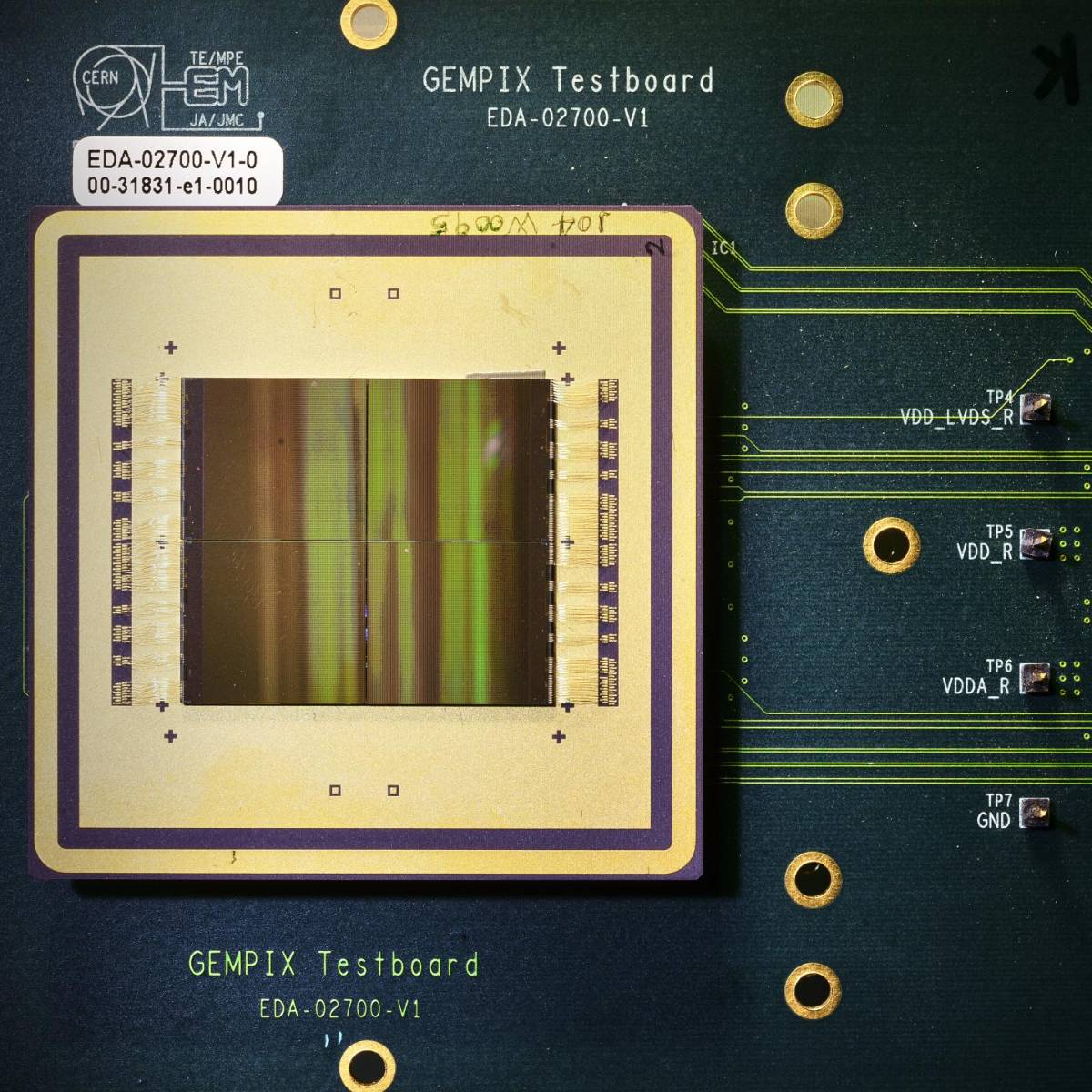
GEMPix
GEMPix | In 2016, CERN started investigating the use of GEMPix to measure the 3D energy deposition of a therapeutic ion beam in a water phantom, for medical imaging purposes. The GEMPix was developed by a CERN/INFN collaboration in the framework of the ARDENT Marie Curie project (2012-2016). The GEMPix detector combines existing CERN-developed technologies –
-
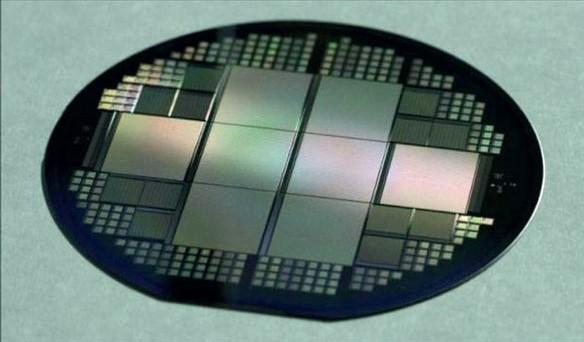
Sensors
Sensors | CERN’s unique know-how derived from years of developing, using, characterizing a large amount of sensors. CERN’s Know-How Facts & Figures Key Competencies Silicon sensors CERN developed unique expertise in simulation and characterisation of silicon sensors to sustain extreme levels of radiations. CERN designs Si sensors in close collaboration with industrial partners. Specifications Key
-
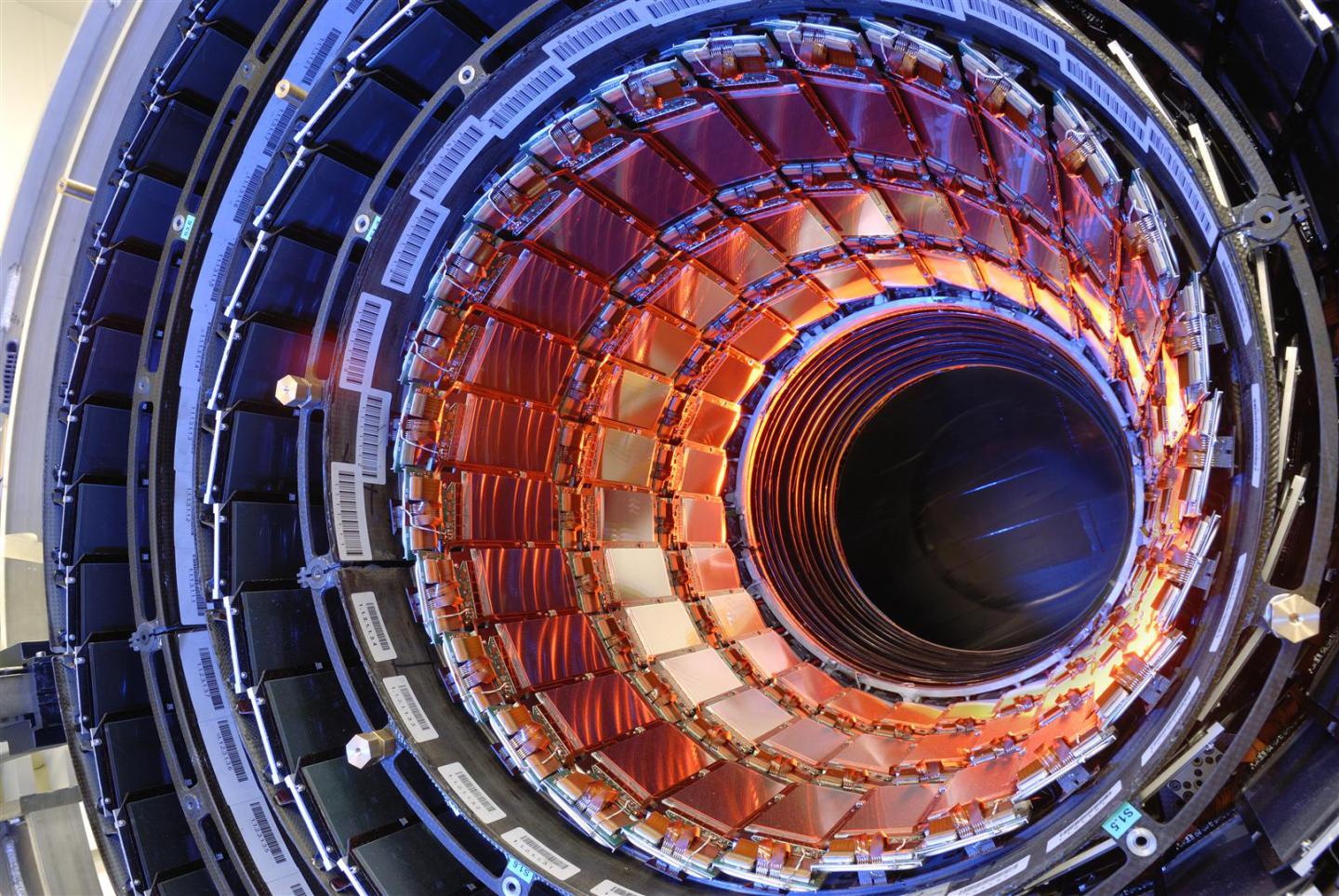
Particle Tracking and Calorimetry
Particle Tracking and Calorimetry | CERN’s unique know-how derived from years of designing, testing, building and operating complex detector systems. CERN’s Know-How Facts & Figures Key Competencies Compact integration of technology Experiments running around and outside the LHC are extremely complex and large structures. The main challenge is to maximize the volume dedicated to the
-
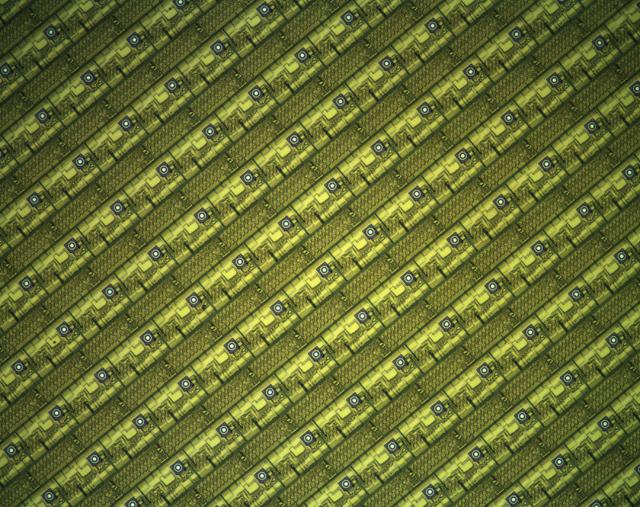
Optoelectronics and Microelectronics
Optoelectronics and Microelectronics | CERN’s unique know-how derived from years of designing, testing and installing microelectronics exposed to harsh environments. CERN’s Know-How Facts & Figures Key Competencies Radhard electronics To withstand the level of radiation present in the collision points, unique expertise designing and integrating high performance and extreme radiation tolerant ASICs has been built.
-
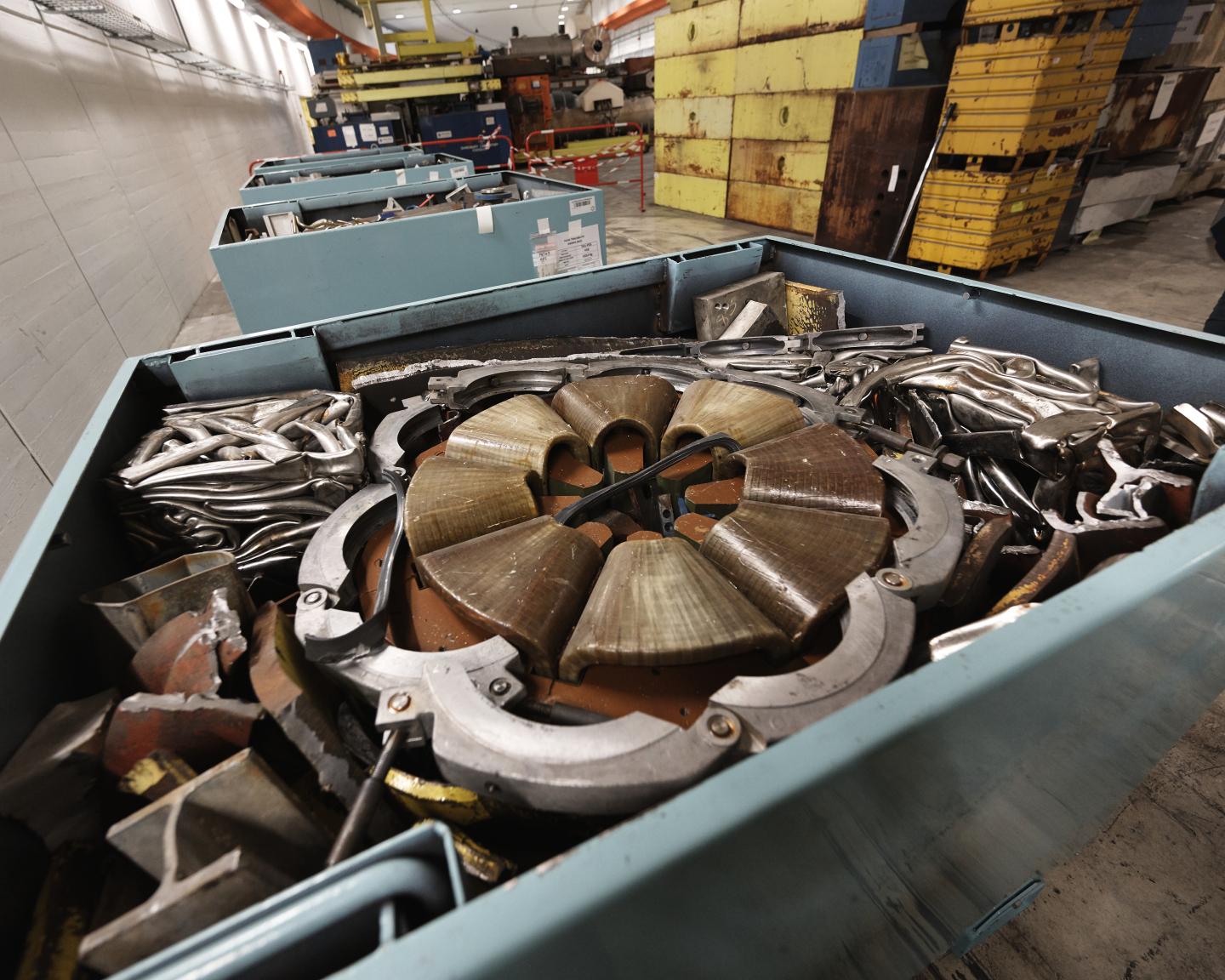
Health, Safety and Environment Management
Health, Safety and Environment Management | Devices, systems and methods for keeping people safe at one of the world’s most complex, large-scale research infrastructures. CERN’s Know-How Facts & Figures Key Competencies Industrial controls for distributed safety systems Expertise in the design and implementation of industrial control systems for highly complex environments, with high safety level
-
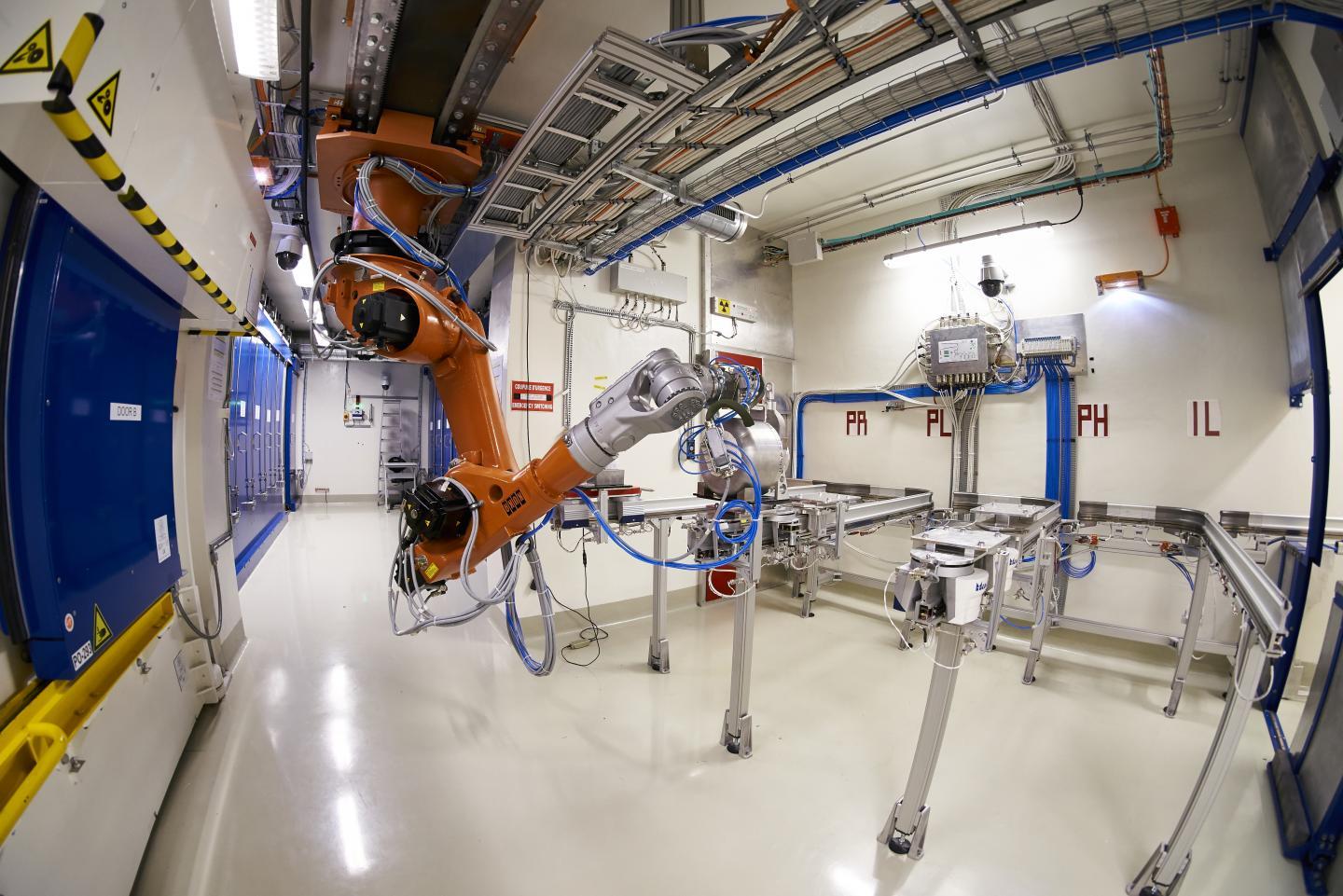
Nuclear Medicine
Nuclear Medicine | CERN’s Know-How Facts & Figures Key Expertise Detecting scintillator-based detectors Scintillators are applied in high-energy physics to measure the energy of particles that are produced in particle physics experiments. Therefore, CERN developed highly specialized expertise and infrastructure for research and development of inorganic scintillation technologies for novel ionizing radiation detectors. System integration
-
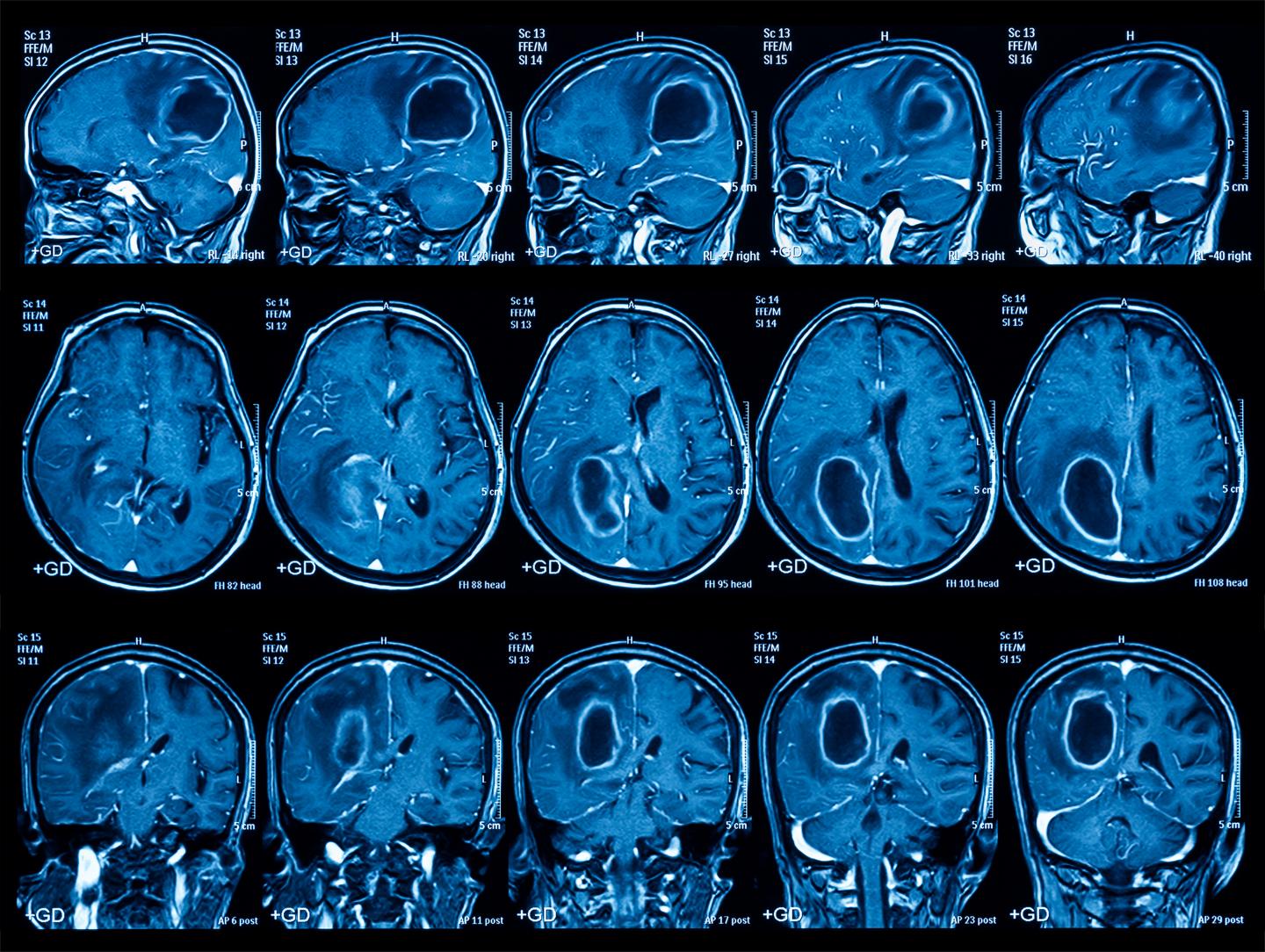
Medical Imaging
Medical Imaging | CERN’s Know-How Facts & Figures Contact Person Benjamin Frisch Knowledge Transfer Officer benjamin.frisch@cern.ch Related Articles Case Study Project News
-
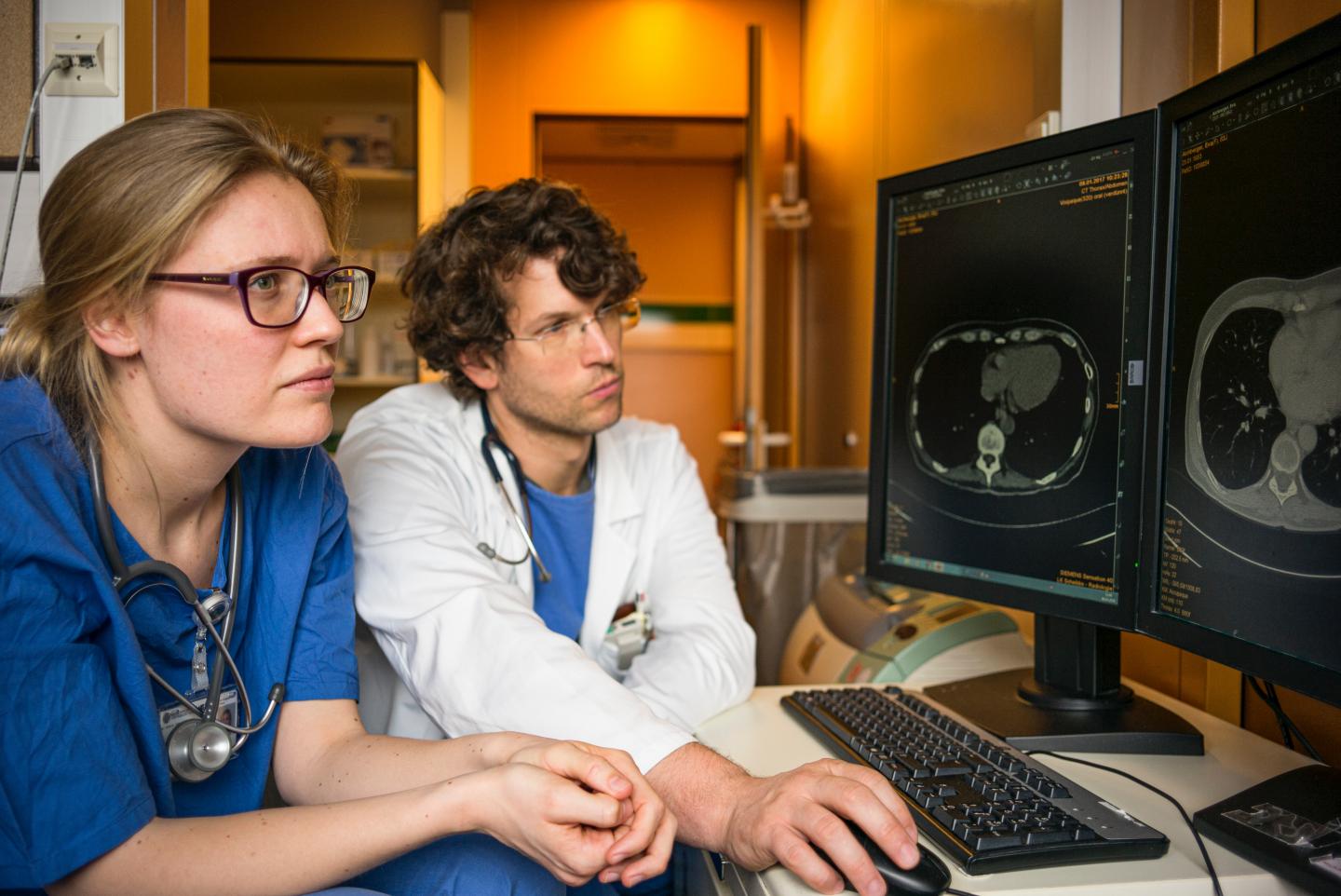
General Medical Applications
General Medical Applications | CERN’s Know-How Facts & Figures Contact Person Benjamin Frisch Knowledge Transfer Officer benjamin.frisch@cern.ch
-
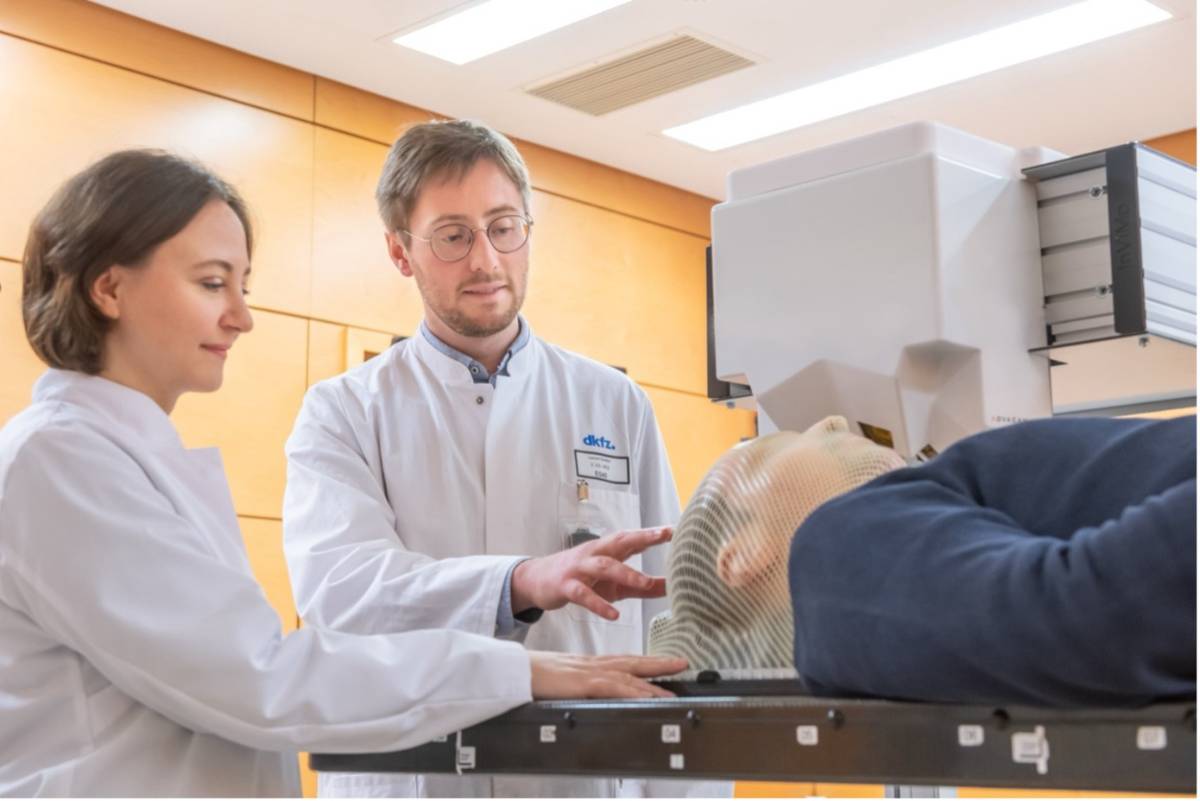
CERN detector could help to improve head tumour radiotherapy
CERN detector could help to improve head tumour radiotherapy | Scientists are testing a new device to help target cancer cells more accurately in ion radiotherapy of head and neck tumours, which could help limit the treatment’s side effects. It includes Timepix3, a small particle detector developed at CERN Particle detectors like the ones used
-
Terapet SA secures over CHF 2,3 million to bring its first product to market and to accelerate development of new nuclear imaging products
Terapet SA secures over CHF 2,3 million to bring its first product to market and to accelerate development of new nuclear imaging products | This funding supports the commercialization of Terapet’s first product, Qualγscan and the development of new nuclear imaging products. Terapet, a privately held Swiss MedTech company developing next generation imaging technology, is
-
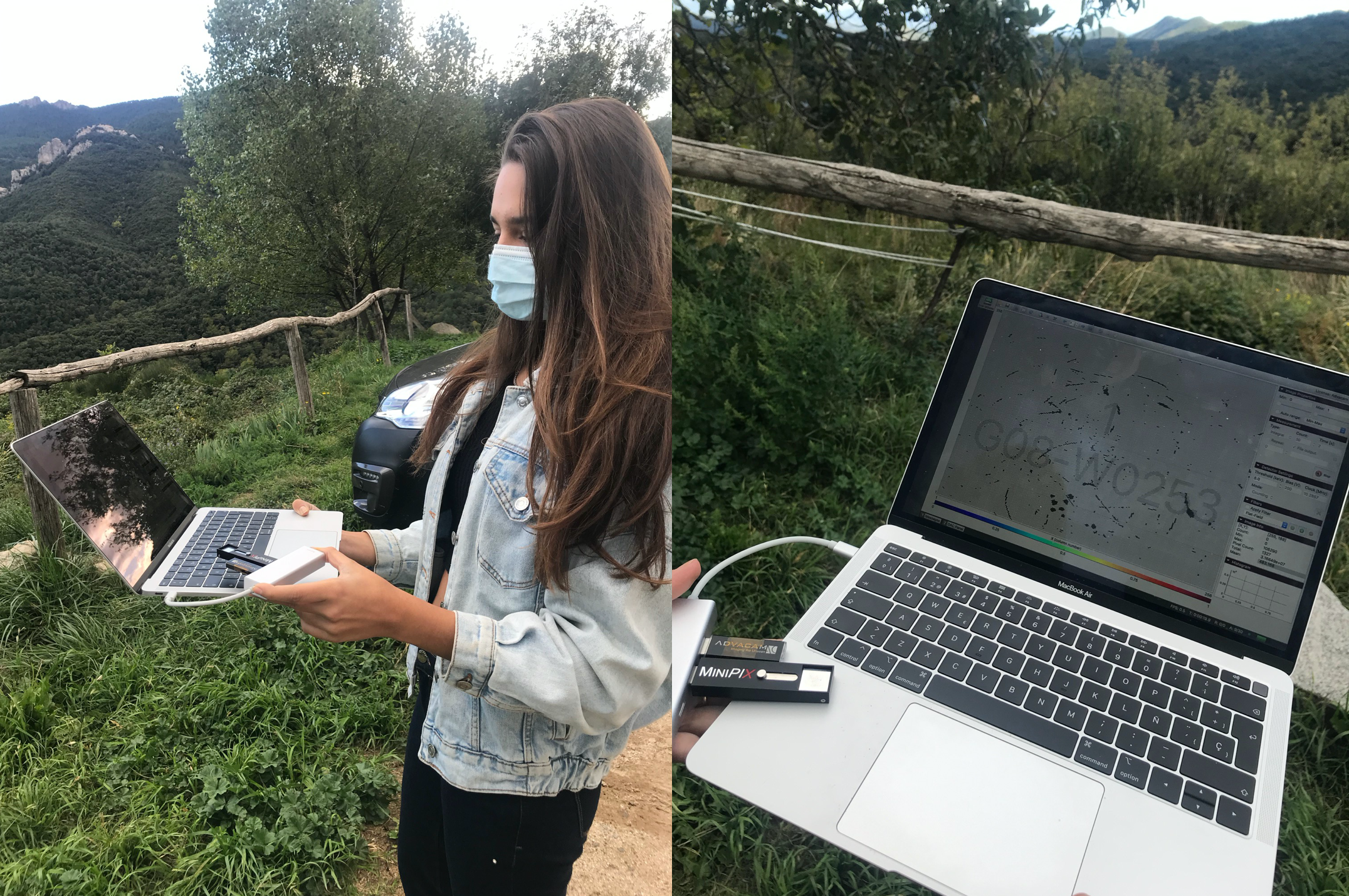
Timepix-based detectors bring particle physics in the classroom
Timepix-based detectors bring particle physics in the classroom | The ADMIRA project uses Timepix-based detectors to help students experiment with particle physics and contributes to transforming STEM education. Combustion, diffraction, magnetism… Many natural phenomena can be observed, experimented with and studied at school. Some have traditionally been difficult to demonstrate and have had to rely
-
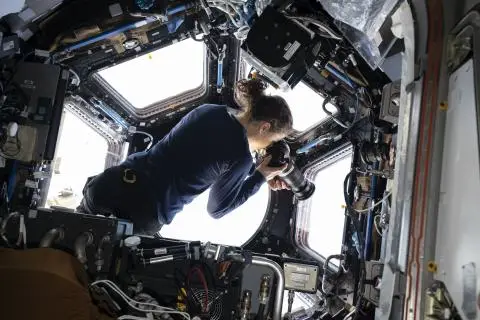
NASA, CERN Timepix Technology Advances Miniaturized Radiation Detection
NASA, CERN Timepix Technology Advances Miniaturized Radiation Detection | As we prepare to send the first woman and next man to the Moon and on to Mars, NASA, with support from the University of Houston, has been working to develop advanced radiation detectors to better protect astronauts and vital spacecraft systems during solar storms. The detectors are based
-
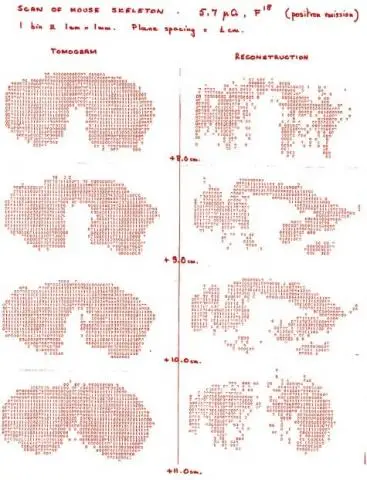
Forty years since the first PET image at CERN
Forty years since the first PET image at CERN | On a peaceful afternoon in early summer 1977, the laboratory of CERN radiobiologist Marilena Bianchi was visited by a physicist with a pretty unusual request. He asked for her help in his quest to create a first image of a mouse using a PET (positron-emission